

Key takeaways
- Smooth: Predictable pressure and an easy-to-clean surface. Best for beginners, larger muscle groups, and slow positioning work.
- Light ridges: Adds modest variation without concentrating pressure too sharply. A good middle ground for regular training.
- Deep grooves: Helps you vary contact across the muscle, but may feel abrupt if you move quickly or place too much weight on the roller.
- Knobs and pronounced bumps: Designed for small-area pressure on regions such as the glutes or the soles of the feet. They are less comfortable for long passes over the back or thighs.
The best foam rollers are usually a medium-firm, 18-inch roller for general use, while shorter travel rollers, softer beginner models, and firm textured rollers make more sense for specific situations.
Our top picks
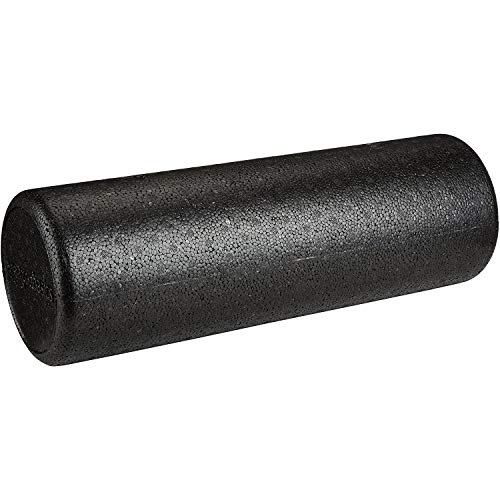
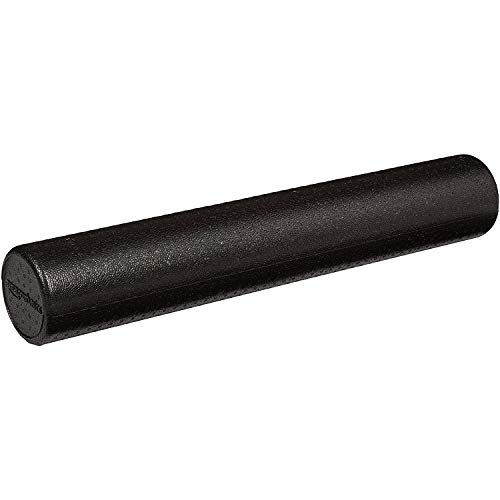

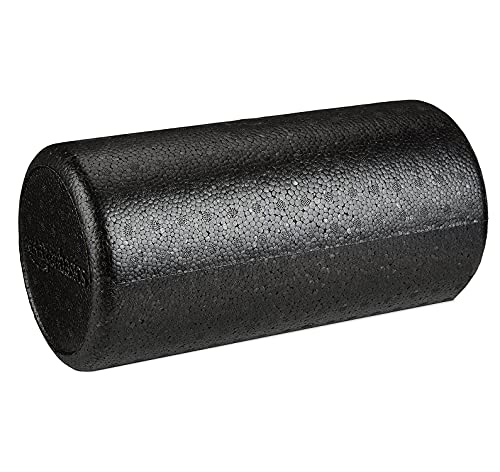
As an Amazon Associate we earn from qualifying purchases at no extra cost to you. Ratings are shown as listed on Amazon.
Quick picks by situation
| Situation | Best design | Useful specification | Why it fits |
|---|---|---|---|
| First-time user or sensitive muscles | Smooth, soft-to-medium roller | 18–24 in long; 5–6 in diameter; low-to-medium density | More stable and less aggressive while learning pressure control |
| General warm-up and recovery | Medium-firm molded foam roller | 18 in long; 6 in diameter; about 1.5–2.5 lb | Balances coverage, support, and versatility |
| Targeted muscle work | Firm, ridged or knobbed roller | 12–18 in long; 5–6 in diameter | Smaller contact areas make it easier to focus on calves, glutes, or upper back |
| Small apartment or frequent travel | Compact smooth roller | 12–18 in long; under 2 lb | Fits in a suitcase or narrow storage space |
| Heavy, frequent use | High-density EVA or hollow-core commercial-style roller | 18–36 in long; firm outer surface; load rating of at least 250 lb | Less likely to flatten or deform with repeated use |
What matters when choosing a foam roller
Length: stability versus portability
Length changes how easy a roller is to control. A 36-inch roller supports both shoulders and hips at the same time, making it useful for thoracic-extension exercises, balance work, and people who prefer a broad platform. It is also the hardest size to store.
An 18-inch roller is the most practical compromise for most homes. It supports common back, thigh, and calf positions without taking over a closet. A 12-inch roller is easier to carry but can feel less stable under the upper back, particularly if your hands are not placed firmly on the floor.
Choose a 6-inch diameter for a conventional range of motion. A 4-inch roller produces less lift and may suit someone who finds a standard roller too intense or unstable. A larger diameter increases leverage and height, which can make upper-back extension more pronounced.
Firmness: do not equate harder with better
Soft rollers are generally made from low-density foam or a thick foam shell. They reduce the pressure concentrated on a small area and are the safer starting point for people who are new to rolling, easily bruised, or uncomfortable on hard surfaces.
Medium-firm rollers, commonly built around a molded EVA foam body, are the best all-purpose choice. They provide enough resistance for controlled pressure without feeling like a rigid cylinder.
Very firm rollers, including some hollow-core models, are better for experienced users who want precise, substantial pressure. They can be uncomfortable when used over bony areas, the front of the neck, or an already irritated spot. A firm roller should not be used to chase sharp pain.
Surface pattern: broad contact or targeted pressure
- Smooth: Predictable pressure and an easy-to-clean surface. Best for beginners, larger muscle groups, and slow positioning work.
- Light ridges: Adds modest variation without concentrating pressure too sharply. A good middle ground for regular training.
- Deep grooves: Helps you vary contact across the muscle, but may feel abrupt if you move quickly or place too much weight on the roller.
- Knobs and pronounced bumps: Designed for small-area pressure on regions such as the glutes or the soles of the feet. They are less comfortable for long passes over the back or thighs.
Surface grooves do not literally reach inside a muscle or “break up” tissue. Their practical benefit is mechanical: they change the contact pattern and can make it easier to locate a particular pressure point.
Foam roller designs worth comparing
Best general-purpose type: 18-inch medium-firm roller
This is the sensible default for most buyers. It is long enough for hamstrings, quadriceps, calves, and the upper back, yet small enough to store under a bed or beside a cabinet. Look for a molded EVA exterior rather than a very soft open-cell foam surface if you expect frequent use.
The TriggerPoint GRID is a well-known example of the molded, textured category. Its hollow construction and varied surface pattern illustrate the trade-off: it is relatively portable and durable, but its firmness and ridges may feel too intense for a first session. A comparable smooth or lightly textured 18-inch model may be more comfortable for beginners.
Best for beginners: smooth, softer roller
A smooth roller with low-to-medium firmness gives you more control over pressure. It is also easier to use for gentle positioning and slow breathing exercises. Choose a full 24- or 36-inch version if stability matters more than storage.
Beginners often make the mistake of buying the most aggressively textured design because it appears more capable. In practice, an uncomfortable roller can encourage fast, forceful movement or cause you to avoid using it altogether. Consistent moderate use is usually more useful than occasional sessions that are too intense.
Best for targeted work: firm textured roller
A shorter, firm roller with ridges or knobs is suited to precise work around the calves, glutes, and upper back. The shorter length makes it easier to angle the body and place pressure exactly where intended. It is less versatile for balance exercises and can be awkward under the full back.
RumbleRoller is a recognizable example of the pronounced-texture approach. Its ridged products are aimed at users who already know how much pressure they tolerate. If you want one roller for the entire body, choose a milder pattern instead of the deepest available texture.
Best portable type: 12- to 18-inch hollow-core roller
A hollow-core design can reduce weight while retaining a firm exterior. Some models weigh roughly 1–2 lb, compared with approximately 2–4 lb for longer solid or heavily reinforced rollers. Check the manufacturer’s load guidance rather than judging durability by weight alone.
Portability has costs: a short roller covers less area, may wobble more during upper-back exercises, and can be noisier on hard floors. For travel, those compromises are usually worthwhile.
Decision matrix: match the roller to your routine
| Your priority | Recommended size | Firmness and surface | Avoid |
|---|---|---|---|
| Lowest reasonable cost | 18 in × 6 in | Smooth, medium density | Paying extra for complex texture you may not use |
| Use 3–6 times per week | 18–24 in × 6 in | Medium-firm molded EVA | Very soft foam that permanently compresses |
| Limited storage | 12–18 in × 5–6 in | Firm, smooth or lightly ridged | 36-inch roller unless it will remain in place |
| Experienced user seeking stronger pressure | 12–18 in × 5–6 in | Firm, deep ridges or knobs | Rolling quickly over sensitive areas |
| Upper-back mobility and floor exercises | 24–36 in × 6 in | Medium-firm, smooth or lightly textured | Very short rollers that shift under the shoulders |
How to use a new roller without overdoing it
- Start with a large muscle group. Use the calves, thighs, or upper back rather than the neck, spine, joints, or front of the torso.
- Support part of your body with your hands or the opposite leg. Less body weight means less pressure and better control.
- Move slowly for 30–60 seconds. Pause briefly on a tolerable tight-feeling area instead of repeatedly scrubbing back and forth.
- Keep discomfort moderate. Stop if you feel sharp, electric, numb, worsening, or joint-focused pain.
- Reassess later rather than escalating immediately. A more aggressive roller is not automatically the next step.
Foam rolling is general fitness information, not a diagnosis or treatment plan. Avoid rolling directly over injuries, open wounds, varicose veins, or bony structures, and ask a qualified healthcare professional for guidance if pain persists or you have a medical condition affecting circulation, sensation, or bones.
Durability, cleaning, and ownership costs
The first part to wear is usually the foam surface: it may develop dents, flaking, splits, or permanent compression. Deep texture can also soften at the tips of ridges. A hollow core and molded EVA exterior generally hold their shape better than inexpensive soft foam when used daily, but construction quality varies.
Wipe the roller after use with a damp cloth and mild soap, then dry it fully. Do not soak foam, leave it in a hot car, or store it under heavy equipment. Sweat, grit, and prolonged heat accelerate surface deterioration. If the roller rocks because it has developed a flat spot or a crack, replace it rather than compensating with more pressure.
Typical market pricing ranges from about $15–$30 for a basic smooth roller, $30–$70 for a durable medium-firm or textured model, and $70–$120 or more for specialized, extra-firm, or premium construction. For example, a $40 roller used twice a week for two years costs about $0.38 per use: $40 divided by 208 sessions. That makes comfort and durability more important than saving a few dollars on the initial purchase.
Bottom line
For one dependable choice, buy an 18-inch, 6-inch-diameter, medium-firm roller with a smooth or lightly textured EVA surface. Choose a softer model if you are new or sensitive to pressure, a 24- to 36-inch roller if stability and back exercises matter, and a shorter deeply textured roller only when targeted pressure is your main goal.




Write Your Review
No reviews yet. Be the first to share your experience!