

Key takeaways
- The best home workout equipment is the gear that matches a specific goal, fits the available space and will actually get used three or four times a week.
The best home workout equipment is the gear that matches a specific goal, fits the available space and will actually get used three or four times a week. That usually means starting with versatile, low-footprint items, such as adjustable dumbbells, resistance bands or a bench, before committing to a big machine.
This guide skips brand lists and focuses on the decision itself: which categories of equipment exist, which suit different goals and homes, which features are worth checking, and which mistakes lead to a piece of gear that ends up as a clothes rack. It is general information and not medical advice, and anyone with health concerns should consult a professional before starting a new program.
Start With the Goal and the Space
Define what the equipment should do
People buy equipment for different reasons: building strength, improving cardio fitness, improving mobility, rehabilitating after advice from a clinician or simply adding variety. Strength goals point toward weights and benches, cardio goals toward machines or jump ropes, and flexibility goals toward mats, rollers and straps. Writing down the top two goals prevents scattered purchases.
Measure the room honestly
Measure floor area, ceiling height and the path from the door. Many exercises need overhead clearance, and a treadmill or rower needs both length and space to step on and off. Think about noise too, since apartment dwellers may need quiet gear or a rubber mat to protect floors and neighbors.
Main Equipment Categories
Strength training gear
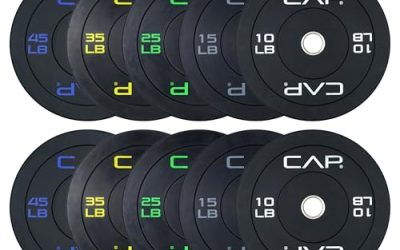
Adjustable dumbbells replace a whole rack of fixed weights and take little room. Kettlebells suit swings and carries. A barbell with plates, a rack and a bench support heavy lifting and need more space and a solid floor. Resistance bands and suspension trainers offer low-cost, portable resistance for beginners and travelers.
Cardio machines
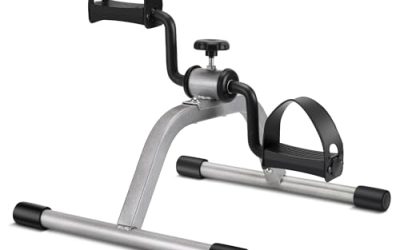
Treadmills, stationary bikes, rowing machines, ellipticals and stair climbers each work the body differently. Bikes are low impact and relatively compact. Rowers train the whole body and store upright in many models. Treadmills suit walking and running but take the most room. Choose based on joint comfort, preferred activity and how likely the user is to stick with it.
Bodyweight and mobility tools
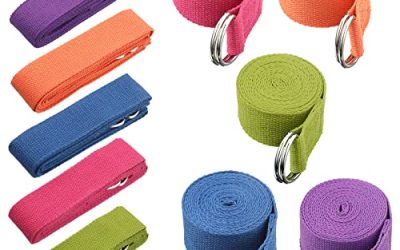
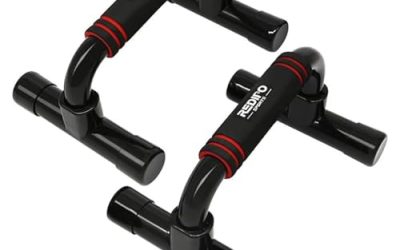
Yoga mats, foam rollers, pull-up bars, parallettes, ab wheels and balance tools cost little and take almost no space. A doorway pull-up bar or wall-mounted option can add upper-body training in a small room.
Multi-station systems
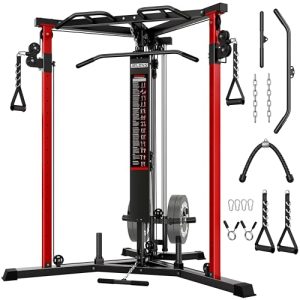
All-in-one gyms use cables, pulleys or rods to provide many exercises in one frame. They suit households that want variety without buying many pieces, but they take space and the quality of movement varies widely between designs.
Features to Check Before Buying
1. Stability and build
Look at frame thickness, welds, base width and rated user weight. A stable machine feels solid during vigorous use and does not wobble when loaded. For benches and racks, check the maximum load rating and whether it covers both the user and the weight lifted.
2. Adjustability
Seat height, bench angles, resistance levels and handle positions let different people use the same equipment. Smooth, easy adjustments keep workouts flowing, while fiddly pins and tools lead to skipped sessions.
3. Footprint and storage
Check both the in-use size and the folded or stored size. Foldable treadmills, stackable weights and wall-mounted racks help in small homes. Verify ceiling clearance when standing on a machine.
4. Noise and vibration
Belt-driven and magnetic resistance are generally quieter than air or friction resistance. Rubber flooring reduces vibration and protects surfaces.
5. Comfort and ergonomics
Padding, grips and seat shape matter over long sessions. Handles that feel awkward or seats that cause pressure points can discourage use. Where possible, try equipment in person to check the fit for height and reach.
6. Warranty and parts support
Machines with motors, screens or moving belts benefit from clear warranty terms and available replacement parts. Read what is covered, for how long, and who handles repairs.
7. Subscription and software
Some connected equipment locks features behind paid memberships. Decide whether the machine remains useful without the app and look for manual modes.
Matching Equipment to Situations
| Situation | Practical starting points |
|---|---|
| Small apartment | Adjustable dumbbells, resistance bands, mat, compact bike or jump rope |
| Beginner building strength | Adjustable dumbbells, adjustable bench, bands |
| Cardio focus | Stationary bike, rower or walking pad |
| Garage gym | Rack, barbell, plates, bench, rubber flooring |
| Shared household | Easily adjustable gear with simple controls |
| Limited budget | Bodyweight tools, bands, secondhand weights |
Budget Tiers Without Numbers
Budget gear is perfectly adequate for bodyweight, bands and light weights, provided safety-critical items such as bench hardware and lifting equipment are well built. Mid-range equipment usually brings better stability, smoother adjustments and longer warranties. Premium equipment adds durability, quieter operation, advanced features and a more refined feel, and it makes sense for daily heavy use. Secondhand equipment can be a good value, especially weights and racks, but inspect for wear, rust and loose parts.
Building a Setup in Stages
Stage one: the essentials
Begin with a mat, a set of resistance bands and one flexible piece of resistance, such as adjustable dumbbells or a single kettlebell. This stage costs little in money and space and reveals which types of workouts the household actually enjoys. A few weeks of consistent use is the best test before spending more.
Stage two: expand what works
If strength training sticks, add an adjustable bench, which multiplies the number of exercises possible with the same weights. If cardio is the pull, a stationary bike, rower or jump rope fills that role. Upgrading flooring and adding storage racks keep the area tidy and safe.
Stage three: dedicated pieces
Once the habit is established, larger items such as a power rack, a barbell set or a treadmill make sense. By then the user knows how much space, noise and money suit the household, and buying decisions rest on experience rather than guesses.
Shared Homes and Households With Kids
Equipment in a family space needs extra safety thought. Heavy weights should be stored on racks or low shelves, folding machines should lock securely and cables or bands should be kept out of reach of young children and pets. Gear that adjusts quickly helps when several people of different heights use it. Quiet equipment avoids disturbing sleepers, and compact storage keeps the living area comfortable when workouts are over.
Common Mistakes
- Buying a large machine before confirming the habit sticks.
- Ignoring ceiling height, doorway width and floor strength.
- Choosing equipment because it looks impressive rather than because it suits the user.
- Skipping flooring, which leads to damaged floors and louder workouts.
- Overlooking subscription requirements and ongoing costs.
- Training with poor technique and no warm-up or progression.
Reading Product Claims Carefully
Marketing for fitness equipment often promises dramatic results, but gear alone does not produce them. Consistent use, sensible progression, rest and nutrition matter more than any machine. Treat claims about fast or effortless transformation with skepticism, and compare observable features such as frame material, adjustment range and warranty terms instead.
Safety and Maintenance
Inspect bolts, cables, belts and pads regularly. Keep treadmill belts clean and properly lubricated if the manual calls for it. Use safety stops or a spotter for heavy lifts, store weights off walkways and keep a clear zone around equipment. Beginners benefit from learning basic form from a qualified coach or reliable instructional material and increasing intensity gradually.
A Short Checklist
- Goal named and measurable.
- Space measured, including height and access routes.
- Noise and floor protection considered.
- Stability, load ratings and warranty checked.
- Adjustability suits every user in the home.
- Ongoing costs and app requirements understood.
- Return policy understood in case it does not fit.
Related guides
- How To Use An Inversion Table For Beginners Angle Time And Safety
- How Often To Use A Massage Gun Duration And Recovery Guide
- Inversion Tables For Seniors With Limited Mobility
Frequently Asked Questions
What is the best first purchase for a home gym?
Adjustable dumbbells or resistance bands with a mat are flexible, space-saving starting points. They support many exercises and can be expanded later.
Is cardio equipment better than weights?
Neither is universally better, since they serve different goals. Many routines combine both for balance.
How much space does a home gym need?
A bodyweight and dumbbell setup can fit in a corner of a room, while racks and machines need dedicated areas with extra clearance. Measuring before buying avoids surprises.
Should a beginner see a professional first?
Anyone with health conditions, injuries or concerns should consult a healthcare professional before starting. A qualified trainer can also teach safe form and help build a sensible plan.
More from Amazon
Programs that pair well with the guide above. Offers and eligibility are set by Amazon and may change.
Collect the home and kitchen items you want in one registry that guests can shop from.
Create a wedding registrySet up recurring deliveries of everyday items on eligible products. Terms and savings are set by Amazon.
Explore Subscribe & SaveFree shipping on eligible items, Prime Video and more. Eligible new members can start with a free trial.
Start a Prime free trialAudiobooks and podcasts to listen to on the go. Eligible new members can start with a free trial.
Try Audible freeAs an Amazon Associate we earn from qualifying purchases.
Write Your Review
No reviews yet. Be the first to share your experience!