

Key takeaways
- 1.5–3 mm: Best for travel, carpet, or placing over a studio mat. It provides minimal protection on tile or wood.
- 4–5 mm: The most versatile range for flowing practice, balance, and moderate cushioning.
- 6 mm: A strong all-purpose choice when wrist, knee, or hip comfort matters without wanting a very soft surface.
- 8 mm or more: Useful for gentle floor work and extra padding, but can feel unstable under one foot and may be bulky to roll.
The best yoga mats depend on your practice: choose a 6 mm closed-cell mat for cushioning and easy cleaning, a natural-rubber mat for high-grip sweaty sessions, or a lighter 3–4 mm mat when portability and floor stability matter most.
Our top picks

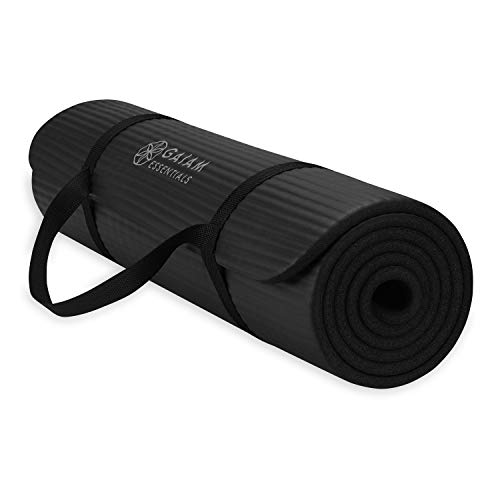


As an Amazon Associate we earn from qualifying purchases at no extra cost to you. Ratings are shown as listed on Amazon.
Best yoga mats by practice and priority
| Best for | Recommended mat type | Useful specification | Why it fits | Main compromise |
|---|---|---|---|---|
| Hot yoga and sweaty flows | Textured natural rubber or absorbent polyurethane surface | 4–5 mm; moisture-resistant top layer | Strong traction during moving sequences and damp hands | Usually heavier and may need special cleaning |
| Beginners and floor-based practice | Dense PVC or TPE foam | 6–8 mm; at least 2 kg | More comfort for knees, wrists, and hips | Can feel less stable in balancing poses |
| Frequent home practice | Dense closed-cell PVC or premium rubber | 5–6 mm; 180–215 cm long | Good durability, support, and predictable grip | Higher purchase price and storage weight |
| Travel and small spaces | Thin foldable or lightweight TPE mat | 1.5–3 mm; under 1.5 kg | Easy to pack and store | Limited cushioning on hard floors |
| Very stable standing practice | Thin, dense mat with a firm base | 3–5 mm; low stretch | Less wobble and better connection to the floor | Less forgiving for kneeling poses |
Head-to-head: popular mat constructions
Closed-cell PVC: the durability and cleaning choice
Dense PVC mats, including the Manduka PRO, are popular for regular studio or home use because they do not readily absorb sweat, oils, or water. A 6 mm model gives noticeably more cushioning than a thin travel mat while remaining firm enough for standing poses. The smooth surface can become slick when wet, however, especially before the mat develops its normal feel.
PVC is also among the easiest materials to wipe clean. It is a sensible choice for people who practice several times each week, share a mat with household members, or want a long service life. The trade-offs are weight, less natural material content, and a surface that may need a break-in period.
Natural rubber: strong traction with more care required
Natural-rubber mats such as the Jade Harmony are known for a grippy feel that suits vinyasa, balance work, and fast transitions. Rubber often performs well when hands and feet begin to perspire, although performance varies by surface finish and the amount of moisture present.
Rubber mats are commonly heavier than thin TPE mats and may have a noticeable rubber smell when new. Keep them away from prolonged direct sunlight and follow the manufacturer’s cleaning instructions. People with a latex allergy should choose a latex-free material instead.
Polyurethane-coated mats: excellent wet grip, careful maintenance
A polyurethane top surface, used on products such as the Liforme Original and some high-grip performance mats, can provide pronounced traction during sweaty practice. Alignment markings may also help beginners position their hands and feet consistently.
The smooth, grippy coating should not be treated like a porous towel. Harsh chemicals, abrasive sponges, and excessive soaking can shorten its useful life. These mats are often wider or longer than basic mats, which improves working space but adds storage and carrying demands.
TPE and foam: lightweight comfort at a lower price
TPE mats are usually lighter than rubber or dense PVC and are available in affordable, medium-thickness formats. They can be a good fit for beginners, occasional users, and anyone who needs to carry a mat to class. Foamier models offer immediate cushioning but may compress under hands and feet, reducing stability during standing balances.
For a regular practice, look for a dense TPE construction with a textured underside rather than choosing solely by thickness. A soft 8 mm mat can feel less secure than a firm 5 mm mat on a smooth floor.
How much thickness do you actually need?
- 1.5–3 mm: Best for travel, carpet, or placing over a studio mat. It provides minimal protection on tile or wood.
- 4–5 mm: The most versatile range for flowing practice, balance, and moderate cushioning.
- 6 mm: A strong all-purpose choice when wrist, knee, or hip comfort matters without wanting a very soft surface.
- 8 mm or more: Useful for gentle floor work and extra padding, but can feel unstable under one foot and may be bulky to roll.
Thickness is not the same as support. Density, compression resistance, and the floor underneath determine how stable a mat feels. If you often practice lunges, standing balances, or transitions, prioritize a dense base over maximum thickness.
Size, weight, and portability comparison
| Example | Material or construction | Thickness | Approximate size | Approximate weight | Best use |
|---|---|---|---|---|---|
| Manduka PRO | Dense closed-cell PVC | 6 mm | 180 × 66 cm | About 3.4 kg | Frequent home or studio practice |
| Liforme Original | Rubber base with polyurethane surface | About 4.2 mm | 185 × 68 cm | About 2.5 kg | Grip-focused flowing practice |
| Jade Harmony | Natural rubber | About 4.8 mm | 173 × 61 cm | About 2.3 kg | Traction and moderate cushioning |
| Travel mat | Thin PVC, rubber, or TPE | 1.5–2 mm | 173–183 × 61–66 cm | 0.8–1.5 kg | Travel or use over carpet |
These figures are typical published specifications and can vary by size, color, and version. A taller practitioner should consider a mat at least 183 cm long. If your downward dog regularly places your hands near the top and heels beyond the bottom, a 200–215 cm mat can be more comfortable, provided you have room to store it.
Decision matrix: which mat makes sense for your situation?
| Your situation | Prioritize | Likely best choice |
|---|---|---|
| Under $50 and occasional practice | Textured surface, adequate density, return policy | 5–6 mm TPE or PVC mat |
| Daily vinyasa in a warm room | Wet traction, sweat resistance, washable surface | 4–5 mm polyurethane-coated or grippy rubber mat |
| Hard floor and sensitive knees | Dense cushioning and room to reposition | 6 mm mat plus a small knee pad when needed |
| Small apartment | Easy rolling, low odor, manageable weight | 4–5 mm TPE or compact PVC mat |
| Carrying the mat several times per week | Under 2.5 kg and a secure strap | 3–5 mm lightweight rubber or TPE mat |
| Latex sensitivity | Explicitly latex-free construction | PVC or latex-free TPE mat |
Floor stability and traction: what to check in person
Place the mat on a clean, dry floor and press your palms down while shifting your weight forward. The mat should stay flat without the edges curling or the center sliding. Try a slow lunge and a standing balance. If your feet move because the surface is slick, more thickness will not solve the problem; you need a different top texture or material.
The underside matters just as much. A rubberized or patterned base usually grips smooth flooring better than a soft, fuzzy underside. Dust, lotion, and cleaning residue can reduce traction, so wipe the floor beneath the mat as well as the mat itself.
Cleaning and ownership realities
- After sweaty sessions, wipe the surface with a manufacturer-approved diluted cleaner or a damp cloth, then allow it to dry fully before rolling.
- For routine dust, use a soft cloth rather than a stiff brush that can wear the texture.
- For odor, improve ventilation and drying time instead of covering the mat with fragrance or oil.
- For storage, roll the practice side outward when the manufacturer recommends it, and keep the mat away from heaters and direct sun.
The first signs of wear are usually a polished or shiny area beneath the hands, thinning at repeatedly loaded knee positions, curled edges from incorrect storage, and a base that begins to slide. Towels, chalk, oils, and abrasive cleaners can accelerate this wear. A mat used four times each week experiences roughly 200 sessions per year; even an $80 mat works out to about $0.40 per session during its first year, before considering replacement. A cheaper mat that becomes uncomfortable or slippery after a few months may cost more over time.
Final buying recommendation
For most people, the best yoga mat is a dense 5–6 mm model with a non-slip underside, enough length for your height, and a surface suited to your sweat level. Choose the Manduka PRO style if durability, cleaning, and firm cushioning matter most; choose a Jade Harmony style for natural-rubber grip; choose a Liforme-style polyurethane surface for demanding wet-grip practice; and choose a lighter TPE or travel mat when carrying and storage outweigh maximum cushioning.
If discomfort persists during practice or you are managing an injury, ask a qualified health or movement professional whether a different surface, thickness, or exercise modification is appropriate.

Write Your Review
No reviews yet. Be the first to share your experience!