

Key takeaways
- Best all-rounder: Osprey Daylite Plus 20L. A practical size for commuting, short hikes and sightseeing, with a familiar panel-loading layout and compatibility with some larger Osprey packs.
- Best for fast day hikes: Deuter Speed Lite 21. Its streamlined shape and hiking-oriented harness favor movement and a close-to-body load.
- Best for work and travel: Patagonia Refugio 26L. The extra capacity and padded computer compartment make it better suited to clothing, electronics and daily essentials.
- Best for colorful organization: Cotopaxi Batac 24L. Multiple compartments and a lightweight design are useful for travel, although the deliberately varied fabric panels are not the first choice for a discreet business bag.
- Best budget-style option: a 20–25L generic ripstop daypack with a sternum strap. Look for a padded back panel, a laptop sleeve if needed, and fabric rated around 300–600 denier rather than choosing by brand name alone.
The best daypacks for most people are a 20–25-liter pack with a supportive, adjustable back panel: choose the Osprey Daylite Plus for versatile everyday use, the Deuter Speed Lite 21 for hiking, the Patagonia Refugio 26L for laptop-and-commute duty, and the Cotopaxi Batac 24L when organization and style matter more than maximum weather protection.
A daypack has to do several jobs without becoming unnecessarily bulky. For hiking, ventilation, stable shoulder straps and easy access to water matter most. For travel, a clamshell opening, laptop protection and security-minded pockets are more useful. Everyday carry sits between the two. The right choice depends less on the biggest advertised capacity than on how the pack fits your back and how efficiently its compartments use that space.
Our top picks


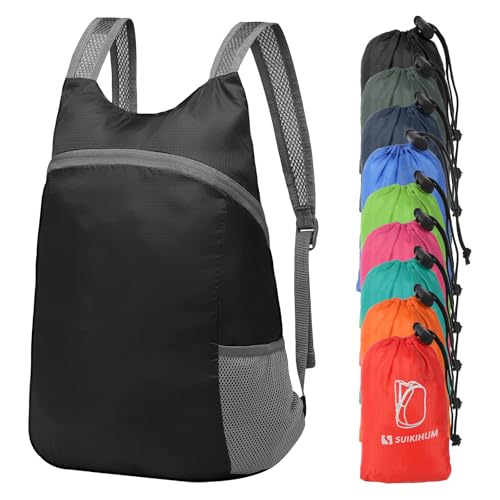
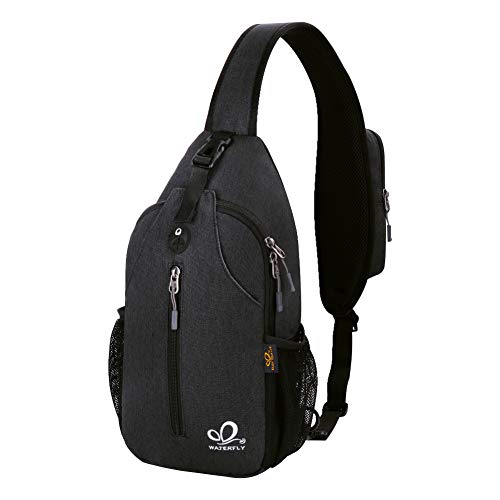
As an Amazon Associate we earn from qualifying purchases at no extra cost to you. Ratings are shown as listed on Amazon.
Best daypacks by situation
- Best all-rounder: Osprey Daylite Plus 20L. A practical size for commuting, short hikes and sightseeing, with a familiar panel-loading layout and compatibility with some larger Osprey packs.
- Best for fast day hikes: Deuter Speed Lite 21. Its streamlined shape and hiking-oriented harness favor movement and a close-to-body load.
- Best for work and travel: Patagonia Refugio 26L. The extra capacity and padded computer compartment make it better suited to clothing, electronics and daily essentials.
- Best for colorful organization: Cotopaxi Batac 24L. Multiple compartments and a lightweight design are useful for travel, although the deliberately varied fabric panels are not the first choice for a discreet business bag.
- Best budget-style option: a 20–25L generic ripstop daypack with a sternum strap. Look for a padded back panel, a laptop sleeve if needed, and fabric rated around 300–600 denier rather than choosing by brand name alone.
Head-to-head comparison
| Pack | Capacity | Approx. weight | Best use | Back-panel and fit character | Water resistance |
|---|---|---|---|---|---|
| Osprey Daylite Plus | 20L | About 0.6 kg | Mixed everyday use and short hikes | Lightly padded, close-fitting; sternum strap helps stability | Coated synthetic fabric; use a rain cover in sustained rain |
| Deuter Speed Lite 21 | 21L | About 0.45–0.5 kg | Day hiking and active travel | Breathable, athletic suspension with a narrow profile | Water-repellent finish; not waterproof |
| Patagonia Refugio 26L | 26L | About 0.7–0.8 kg | Commute, laptop carry and travel | More substantial padding; comfortable with office loads | Recycled synthetic shell with water-repellent treatment; rain cover may be useful |
| Cotopaxi Batac 24L | 24L | About 0.5–0.6 kg | Travel and everyday organization | Simple padded harness; fit varies more by torso shape and load | Light rain resistance only; protect electronics separately |
Weights and details can vary by production year, fabric and regional version, so check the manufacturer’s current specification before buying. Capacity figures also describe the whole bag, not the amount of usable space in the main compartment.
Capacity: how many liters do you actually need?
A 15–18L pack works for a phone, water bottle, light layer and lunch. It becomes restrictive when you add a camera, rain shell or work equipment. The 20–25L range is the most flexible: it can hold a jacket, food, first-aid supplies, a bottle and small personal items without feeling like luggage. A 26–30L model is preferable for cold-weather layers, a large laptop charger or one-night travel, but it may feel oversized on a short summer hike.
As a rough packing calculation, assume 3L for a jacket, 2L for food, 2L for a first-aid kit and accessories, 2L for a water reservoir, 3L for spare clothing and 4L for irregularly shaped items. That totals 16L before allowing space for a camera or work device. A 20L pack therefore gives useful flexibility, while a 16L pack would need disciplined packing.
Fit and back-panel comfort matter more than pocket count
Put the heaviest items—water, food and electronics—close to the middle of your back. A pack can feel uncomfortable even with excellent padding if heavy contents sit low and pull backward. The shoulder straps should curve around the front of your shoulders without digging into your neck. The sternum strap should stabilize the pack, not squeeze your chest.
A quick fit check
- Load the pack with approximately 4–6 kg, similar to your normal use.
- Place the shoulder straps so the pack sits high enough that it does not bump your lower back while walking.
- Adjust the sternum strap until the shoulder straps stop sliding outward; leave room for normal breathing.
- Walk, bend and reach overhead. The pack should stay close without restricting arm movement.
- Check ventilation after several minutes. A heavily padded panel may feel soft but can trap more heat than a suspended or channelled design.
Many lightweight daypacks have limited torso adjustment. They can be excellent for an average-shaped user but less adaptable than a hiking pack with a sliding harness or hip belt. If your load regularly exceeds about 7–8 kg, a proper hip belt and a more structured frame become increasingly valuable.
Compartment layout: hiking versus travel
Hiking packs benefit from a large main compartment, stretch side pockets and external attachment points. These let you store a wet layer, trekking poles or snacks without opening the main cavity. Too many small internal pockets can waste usable space and make bulky clothing harder to pack.
Travel and commuting favor a separate laptop sleeve, a document pocket and a wide front organizer. A clamshell or suitcase-style opening is convenient when the pack is packed fully, but a top-loading design can be lighter and more weather-resistant. If you carry a laptop, check the sleeve dimensions rather than relying on the stated screen size: a “15-inch” computer may not fit every 15-inch compartment.
External mesh bottle pockets are convenient, but they are often the first area to snag or stretch. Zippered hip-belt pockets improve trail access but add weight and can interfere with a coat or seat belt. Choose only the features you will use weekly.
Water resistance is not waterproofing
Most daypacks use coated nylon or polyester that sheds light rain. That is enough for a brief walk between buildings, but water can enter through zippers, seams and the unprotected back panel. A pack liner or dry bag is more dependable for clothing and electronics, while a fitted rain cover protects the outside during a longer downpour.
For regular wet-weather hiking, prioritize covered or water-resistant zippers, a roll-top or weather flap, taped seams where available, and a separate electronics pouch. Do not assume that a water-repellent fabric treatment will last for the life of the pack; abrasion, detergent and repeated folding reduce its effectiveness.
Ownership realities: what wears out first
- Mesh pockets: They snag on branches and wear against rough walls. Avoid dragging a full pack across abrasive surfaces.
- Zipper sliders: Overpacking puts stress on the teeth and sliders. If the zipper catches, remove contents rather than forcing it.
- Foam and shoulder-strap edges: Sweat, sunscreen and friction can compress padding or damage binding over time.
- Water-repellent coatings: Wash only according to the care label. Harsh detergent, bleach and machine drying can harm coatings and adhesives.
- Internal lining: Food spills become odors quickly. Empty the pack after each trip, shake out grit and spot-clean with mild soap and cool water.
For most users, a well-built 20–25L pack should be considered a multi-year purchase rather than disposable gear. A general market budget of roughly $50–$100 covers many capable basic daypacks, while feature-rich hiking or commuter models commonly fall around $100–$180. Premium materials and repair programs can push prices higher, but they are worthwhile only if the fit and layout suit your routine.
Final recommendation
Choose the Osprey Daylite Plus if one pack must cover commuting, sightseeing and occasional trails. Choose the Deuter Speed Lite 21 for a lighter, more athletic hiking feel. Choose the Patagonia Refugio 26L when a laptop, lunch and extra clothing are part of the daily load. The Cotopaxi Batac 24L is a sensible travel choice for people who value accessible organization and distinctive design.
Before buying, measure the items you carry, not just your torso. Load the candidate pack, walk for ten minutes and inspect the bottle pockets, laptop sleeve and zipper access. Those checks reveal more about day-to-day comfort than capacity alone.

Write Your Review
No reviews yet. Be the first to share your experience!