

Key takeaways
- Texture peaks: raised ridges on EVA flatten first where your body weight lands, typically under the glutes and back.
- Core collapse: cheap rollers with a soft core lose their roundness and start rolling unevenly after months of daily use.
- Cleaning: wipe with a damp cloth and mild soap. Harsh solvents can degrade the foam. Let it dry before storing.
- Heat and sun: leave it out of a hot car; EVA softens in extreme heat and can warp.
The best EVA foam roller for most people is a medium-density, 18-inch model with a lightly textured surface, such as the 321 STRONG 3-zone roller. Choose the TriggerPoint GRID 1.0 when you want a firmer, shorter roller with a hollow core that holds its shape under daily use. EVA (ethylene-vinyl acetate) is the dense, closed-cell foam that separates a roller that lasts years from a cheap one that flattens in weeks.
Quick Comparison of the Picks
| Pick | Best for | Length x diameter (approx.) | Firmness | Price range |
|---|---|---|---|---|
| 321 STRONG medium-density 3-zone | Beginners, general soreness | 18 in x 6 in | Medium | Budget to mid |
| TriggerPoint GRID 1.0 | Regular rollers, travel | 13 in x 5.5 in | Firm, multi-density | Mid |
| TriggerPoint GRID 2.0 | Back and full-leg work | 26 in x 5 in | Firm, multi-density | Mid to upper |
| Smooth high-density EVA cylinder (basic) | Tight budgets, stretching, balance work | 12 to 36 in x 6 in | Medium-firm to firm | Budget |
| Gaiam Restore style textured roller | Light recovery, yoga studios | 18 in x 5 to 6 in | Medium-soft | Budget |
Best Overall: 321 STRONG Medium-Density Roller
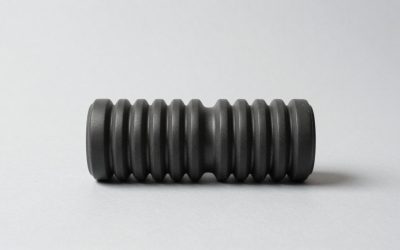
The 321 STRONG roller is built around a medium-density EVA shell with a three-zone surface: a gentle ridged section, a flatter section and a more pronounced knobbed section. That gradation lets you start light on a sore area and add intensity by shifting your weight onto a different zone, which is the right learning curve for anyone new to rolling. At roughly 18 inches long, it spans both thighs or the width of the upper back without hanging off the mat.
Several independent buying guides describe it as comparable to the TriggerPoint GRID in feel for a noticeably lower price, though the texture is less aggressive. The main trade-off is that experienced athletes sometimes find it too forgiving. If you roll more than four days a week or are heavy, the foam can soften with a few months of use, but it recovers well compared with cheaper expanded polystyrene foam.
Best for Firm, Daily Rolling: TriggerPoint GRID 1.0
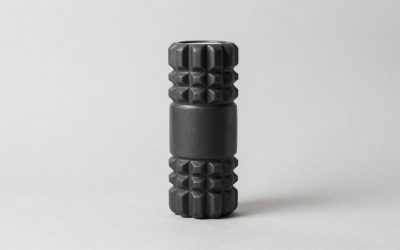
The GRID 1.0 is the roller most physical therapy offices and gyms keep on hand. According to the manufacturer, it uses a hollow, rigid core wrapped in multi-density EVA foam and is rated to support up to 500 pounds. The surface has three different raised patterns that mimic a hand, thumb and fingers, so it feels more targeted than a smooth cylinder. At about 13 inches long and 5.5 inches across, it fits in a carry-on or gym bag.
The trade-off is length. Thirteen inches is fine for calves, glutes, quads and hamstrings one leg at a time, but it is too short to cradle the entire spine, so you are balancing more. It is also firmer than most beginners expect; expect a few sessions of adjustment.
Best for Back and Full-Body Work: TriggerPoint GRID 2.0
The GRID 2.0 uses the same hollow-core, multi-density EVA design stretched to about 26 inches, which is long enough to lie along your whole spine with your head supported. That length is the practical advantage for upper-back mobility, thoracic extensions and rolling both legs at once. It also stores upright or lengthwise on a closet shelf more easily than a thick 36-inch cylinder.
The trade-offs are size and cost. It takes up more room in luggage, and it sits at the upper end of the price range for a foam roller. If you only work on legs, the shorter version does the same job.
Best Budget: Basic High-Density EVA Cylinder
A plain smooth EVA cylinder in a 12-, 18- or 36-inch length is the cheapest way into rolling. It is useful for broad pressure on quads and the upper back, for pre-workout warm-ups and for balance or core drills. Because there is no texture, the pressure spreads across a wide area, which is gentler on bony spots like the IT band’s outer edge.
The trade-off is precision. Smooth rollers cannot pinpoint a knot the way a textured one can, and very cheap versions use lower-density foam that dents within a couple of months. Look for the words “high density” or “EVA” in the product description and avoid listings that only say “foam”.
Best Soft Option: Textured Light-Duty Rollers
Gentle textured rollers from yoga and Pilates brands such as Gaiam suit low-intensity recovery, people returning from a break, and studios where participants vary widely in tolerance. They are lighter, quieter to roll on and usually less expensive. The compromise is durability; softer foam compresses faster, and anyone planning to roll hard or use body weight over 200 pounds will outgrow them quickly.
How to Choose an EVA Foam Roller
Density: match it to your experience
Density is the single most important variable. Soft rollers are comfortable but flatten; firm rollers last longer but can bruise a sensitive area. A practical rule is to start with medium density if you roll fewer than three times a week and move to firm once a medium roller stops feeling like anything.
Length and diameter
A 12- to 13-inch roller is for travel and single-leg work. An 18-inch roller is the all-round size. A 24- to 36-inch roller lets you lie along the spine. Diameter between 5 and 6 inches is standard; narrower rollers feel sharper because the pressure is more concentrated.
Surface texture
Smooth surfaces spread pressure. Ridges or knobs concentrate it and are better for glutes and thick quads. Deep, large knobs can bruise, so keep session time to 30 to 60 seconds per spot.
Core type
Solid EVA is quieter and cheaper. Hollow-core rollers such as the GRID line hold their shape under weight and can store small items, but they cost more. A hollow core does not make the foam itself any softer or firmer; the shell’s density does that.
Cost Per Use: A Worked Example
Assume a budget roller in the lower price band lasts 6 months if you roll four times a week, which is about 100 sessions. A firm, multi-density roller in the mid band that lasts 3 years at the same pace delivers roughly 600 sessions. Even if the firm roller costs three times as much, the cost per session is about half. The math shifts toward the cheap roller only if you roll once or twice a month.
Ownership Realities: What Wears First
- Texture peaks: raised ridges on EVA flatten first where your body weight lands, typically under the glutes and back.
- Core collapse: cheap rollers with a soft core lose their roundness and start rolling unevenly after months of daily use.
- Cleaning: wipe with a damp cloth and mild soap. Harsh solvents can degrade the foam. Let it dry before storing.
- Heat and sun: leave it out of a hot car; EVA softens in extreme heat and can warp.
Common Mistakes
Rolling directly on the lower back is the most common error. The lumbar spine has no rib cage to protect it and tends to arch under pressure, so focus on the mid and upper back, glutes and thighs instead. Rolling too fast is the second. Slow passes of about one inch per second let tissues respond. Finally, do not roll over a joint or an area that is swollen or sharply painful.
Frequently Asked Questions
What does EVA foam mean on a foam roller?
EVA stands for ethylene-vinyl acetate, a dense, closed-cell foam that is tougher and more resilient than the expanded polystyrene used in cheap rollers. It resists compression, handles moisture well and is easy to clean.
Is EVA foam better than EPP or EPE foam?
For most home users EVA offers the best mix of firmness and durability at a fair price. EPP foam is also durable and is common in higher-end rollers, while EPE foam is lighter and softer and tends to compress faster.
How firm should a beginner roller be?
Medium density is the usual starting point. It gives enough resistance to feel effective without causing excessive discomfort. Move to firm only once a medium roller feels too mild.
How often should I use a foam roller?
Many people use one for 5 to 10 minutes before a workout and again afterward, or on rest days. Roll each area for about 30 to 60 seconds and stop if you feel sharp pain. If you have a medical condition or an injury, check with a physician or physical therapist first.
How long does an EVA foam roller last?
A quality EVA roller used a few times a week typically lasts two to three years before the surface flattens or the shell loses its firmness. Cheap, soft versions may last only a few months with regular use.

Write Your Review
No reviews yet. Be the first to share your experience!