

Key takeaways
- Theragun vs Hypervolt massage guns compared: handle design, stroke depth, noise, attachments, apps and safety basics, with picks by use case and budget.
Theragun and Hypervolt are the two names most shoppers compare first, and the two lines are closer than the marketing suggests. Both are handheld percussion massagers with several speeds, interchangeable heads and battery power. The main practical differences are handle shape, stroke depth, noise, app features and price tier. This guide compares those points in general terms, using published specifications and manufacturer information. Models are updated often, so check current specifications before buying.
Short Verdict
If you prefer a triangular, multi-grip handle that makes it easier to reach your own back and often a deeper-feeling stroke, Theragun is a common starting point. If you want a more traditional handle shape and a device with a reputation for quieter operation, Hypervolt is often shortlisted. These are tendencies, and models within each brand differ a lot. The better choice is the one that matches your reach, noise tolerance and budget in the tier you can afford.
Neither device is a medical product, and neither replaces advice from a clinician. Think of them as a comfort tool for warming up and relaxing sore muscles.
Side-by-Side Comparison
| Factor | Theragun | Hypervolt |
|---|---|---|
| Maker | Therabody | Hyperice |
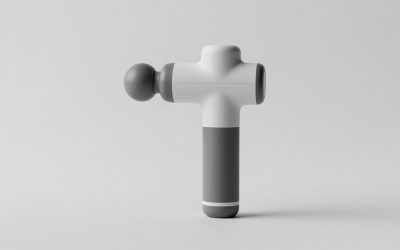
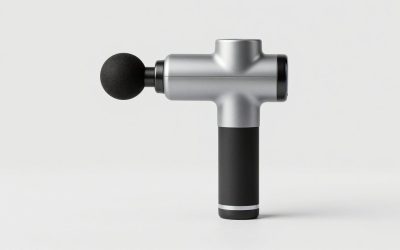
| Handle | Triangular multi-grip design on most models | More traditional single handle with head at the front |
| Stroke depth | Full-size models often listed with a longer stroke | Many models listed with a shorter stroke |
| Noise reputation | Improving; louder on high speeds | Often described as quieter |
| App and Bluetooth | Available on many models | Available on many models |
| Range | Mini to full-size models | Compact to full-size models |
| Attachments | Multiple heads included, varies by model | Multiple heads included, varies by model |
Specifications such as amplitude, stall force, battery life and weight change from model to model, so use this table as a framework for comparing, not as a final answer.
Design and Handling
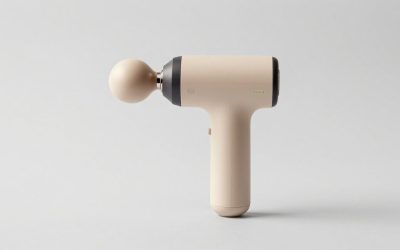
Handle design is the difference most people feel first. A triangular handle gives you several ways to hold the device, which can help you reach shoulders, the upper back and calves without twisting your wrist. A conventional handle is simple and familiar, and it can feel more natural for the legs and arms. Reaching your own back is the usual test: if you cannot comfortably hold the device in the position you need, you will use it less.
Weight and balance matter during longer sessions. Heavier models tire the arm sooner, and a mini or compact model may be easier for travel or small hands. Check the weight on the specification list, and think about where you plan to use it: gym bag, desk drawer or bedroom shelf.
Stroke Depth, Speed and Power
Two numbers show up most on spec sheets. Amplitude is how far the head travels with each pulse, usually in millimeters. A longer stroke generally feels deeper and more intense, while a shorter one feels lighter and more surface-level. Stall force is the amount of pressure the motor can take before it slows or stops. Higher values mean the device keeps going when you press harder, though pressing hard is not a goal in itself.
Speed is measured in percussions per minute, and most models offer several steps. A device with more speed options can be useful, but the lowest speed is often the one that feels best on tender spots. Do not treat the biggest numbers as a reason to choose a model. A smooth, quieter motor that you actually use is worth more than extra power you never need.
Noise, Battery and Attachments
Noise is a real consideration for office use or late-night sessions. Quieter operation is commonly associated with Hypervolt, but newer Theragun models have been designed with sound reduction in mind. Compare maker-listed decibel figures where available, and remember that the head, speed and pressure all change the sound.
Battery life varies widely by model and speed, and is usually listed in hours at a given setting. Some models have removable batteries, which can be handy for long use, while others have built-in packs. Attachments also differ. Typical sets include a round ball for large muscles, a flat head, a bullet-shaped head for small trigger areas, and a fork-style head for areas along the spine or Achilles. Do not use sharp or narrow heads over bone.
Use-Case Picks
- Heavy lifters or athletes wanting deeper feel: consider larger models with a longer stroke and higher stall force from either brand.
- Light, general relaxation: a mid-tier or compact model is usually enough.
- Frequent travelers: look at mini models and check battery size and carry case.
- Noise-sensitive users: compare listed decibel levels at the same speed.
- Shared household use: choose a model with simple controls and a solid warranty.
Worked Example
Assume two buyers. Maya runs three times a week and wants a tool for calves and quads after runs. She works in a small apartment and uses the device in the evening. Dan lifts four days a week, has broad shoulders, and wants to reach his upper back himself.
For Maya, a compact or mid-size model with moderate stroke and lower noise is a sensible match. She would compare decibel figures and weight, then check whether the app adds value for her. For Dan, a model with a multi-grip handle and a longer stroke may suit his reach and preference. Both should start on the lowest speed. The example shows how personal reach and use patterns often outweigh brand loyalty.
What to Check Before Buying
Model names and generations change often, so build a short checklist instead of relying on brand reputation. Compare the specifications of two or three specific models side by side.
- Weight and handle shape, especially if you plan to reach your own back.
- Amplitude and stall force, read against how firm you actually like pressure.
- Battery life at your usual speed, and whether the battery is replaceable.
- Listed noise level, if you use it near others.
- Included attachments and a carry case, which vary by model.
- Warranty length and return window, since feel is personal and some people prefer a different device after a week.
Price differences between tiers usually come from motor strength, extra attachments, app features and build details. A mid-tier model from either brand covers most casual needs, and paying for the top tier makes sense mainly if you will use it daily and notice the difference in power or battery life.
Safety and Sensible Use
- Read the manual before first use and follow the maker’s guidance on time and speed.
- Start with light pressure; let the device do the work.
- Avoid bones, joints, the spine itself, the front of the neck, the head and any injured or inflamed area.
- Keep sessions short, often under a minute per muscle group.
- Stop if you feel sharp pain, numbness or tingling.
- Consult a clinician first if you have a medical condition, recent injury, are pregnant, or have an implanted device.
Keep the charger and device dry, and follow charging instructions. If a unit overheats, smells burnt or is damaged, stop using it and contact the manufacturer.
Related guides
- How To Use An Inversion Table For Beginners Angle Time And Safety
- How Often To Use A Massage Gun Duration And Recovery Guide
- Inversion Tables For Seniors With Limited Mobility
Frequently Asked Questions
Is Theragun or Hypervolt better for deep muscle work?
Larger Theragun models are widely described as having a longer stroke, which many people associate with a deeper feel, while many Hypervolt models use a shorter stroke that feels more moderate. Depth is not the only factor, since speed, attachment and pressure also matter. Compare the stated amplitude and stall force on each model, and start on the lowest speed whichever device you choose.
Which brand is quieter?
Hypervolt has long had a reputation for lower noise, while Theragun has worked to quiet newer models. Actual loudness depends on the model, the speed setting and how hard you press. Because noise claims vary, look at the maker’s published decibel figures if provided, and compare similar tiers rather than the brands as a whole. Higher speeds are almost always louder on any massage gun.
Do both brands have app and Bluetooth features?
Several models from both makers offer Bluetooth and a companion app with guided routines or speed control, while entry models may skip it. Features change between generations, so confirm on the product page whether the specific model supports the app and what it controls. An app is a convenience, not a requirement, and a simple button interface works fine for many users.
How long should a massage gun be used on one area?
Many guides suggest short sessions, often 30 to 60 seconds per muscle group and a few minutes in total, using light pressure and the lowest speed first. Use the manufacturer’s instructions as the main reference. Avoid bones, joints, the front of the neck and any injured area, and stop if you feel sharp pain, numbness or tingling.
Who should talk to a doctor before using one?
Anyone with a medical condition, recent injury, surgery, pregnancy, a circulation or clotting issue, nerve problems, or an implanted device such as a pacemaker should speak with a clinician first. Manufacturers list their own cautions in the manual. If something feels wrong during use, stop, and seek professional advice instead of pushing through discomfort.


Write Your Review
No reviews yet. Be the first to share your experience!