

Key takeaways
- Best everyday choice: a 35–40-liter training duffel with one end shoe pocket, a wide opening, and a padded removable shoulder strap.
- Best for shoes and sweaty clothing: a bag with a ventilated shoe compartment and a separate wet pocket, rather than one large main compartment.
- Best for commuting: a 25–30-liter gym backpack with a laptop sleeve, water-bottle pocket, and a reinforced base.
- Best for frequent travel: a coated 40–70-liter duffel with compression straps, lockable zipper pulls, and abrasion-resistant panels.
- Best budget approach: a simple 30–40-liter polyester duffel, provided the bottom is coated and the zippers have wide, smooth teeth.
The best gym bags for most people are a medium duffel with a separate ventilated shoe compartment, water-resistant fabric, padded shoulder straps, and a capacity of roughly 35–45 liters; choose a smaller 25–30-liter bag for daily workouts and a tougher 40–70-liter duffel for travel or bulky gear.
Our top picks


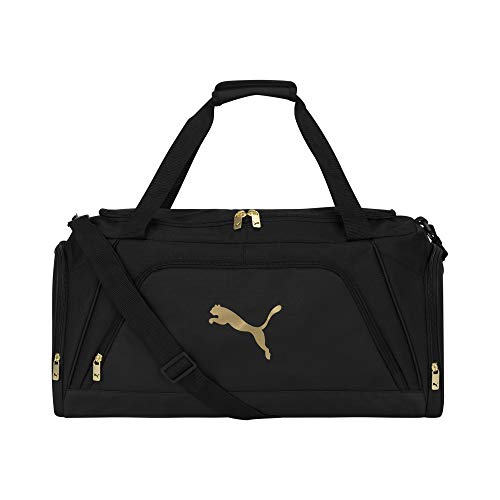

As an Amazon Associate we earn from qualifying purchases at no extra cost to you. Ratings are shown as listed on Amazon.
Quick picks by use case
- Best everyday choice: a 35–40-liter training duffel with one end shoe pocket, a wide opening, and a padded removable shoulder strap.
- Best for shoes and sweaty clothing: a bag with a ventilated shoe compartment and a separate wet pocket, rather than one large main compartment.
- Best for commuting: a 25–30-liter gym backpack with a laptop sleeve, water-bottle pocket, and a reinforced base.
- Best for frequent travel: a coated 40–70-liter duffel with compression straps, lockable zipper pulls, and abrasion-resistant panels.
- Best budget approach: a simple 30–40-liter polyester duffel, provided the bottom is coated and the zippers have wide, smooth teeth.
What separates the best gym bags
Capacity that matches your routine
Capacity is measured in liters, but usable capacity depends on the opening and the shape of the bag. A nominally large bag with a narrow zipper can be less practical than a smaller clamshell-style design.
- 20–30 liters: suitable for shoes, a change of clothes, a towel, toiletries, and a small water bottle. This is the easiest size for commuting and lockers.
- 30–45 liters: the most versatile range for regular gym sessions. It can accommodate training shoes, lifting accessories, a change of clothes, and meal containers without becoming unwieldy.
- 45–70 liters: better for team sports, martial arts equipment, winter layers, or a weekend away. It becomes cumbersome when only partly filled.
For daily use, estimate your load before buying. A pair of shoes commonly occupies 8–12 liters, a towel and clothing about 8–15 liters, and toiletries or accessories another 3–6 liters. That makes a 30–35-liter bag a sensible minimum for a full post-workout change.
Compartment layout is more important than pocket count
The most useful layout usually has one main compartment, one shoe compartment, one small valuables pocket, and one external pocket for items needed quickly. Ten shallow pockets can be less useful than four properly sized ones.
Look for a shoe compartment that opens independently from the main compartment. This prevents dirty soles from touching clean clothes and keeps shoes from consuming the central storage area. A ventilated panel is useful after training, but it does not replace drying shoes at home.
A separate wet pocket is valuable if you shower at the gym or carry swimwear. It should be lined with a wipe-clean material and positioned so moisture cannot drain into clothing. A laptop sleeve is useful in a commuter backpack, but it can reduce the usable volume of a duffel.
Head-to-head comparison of established options
The table compares commonly available product families and representative sizes. Exact dimensions, colors, and features can vary by edition, so check the current specification before ordering.
| Product or type | Typical capacity | Approximate weight | Materials and weather protection | Shoe storage | Best fit |
|---|---|---|---|---|---|
| Nike Brasilia Training Duffel | About 41–60 liters | About 0.8–1.2 kg | Polyester body; water-resistant base on many versions | Separate end compartment on selected models | Regular gym use and moderate gear loads |
| adidas Defender Duffel | About 30–60 liters | About 0.6–1.0 kg | Polyester fabric; durable coated bottom | End shoe pocket on selected sizes | Budget-conscious users wanting a simple duffel |
| Under Armour Undeniable Duffel | About 29–58 liters | About 0.6–1.1 kg | Polyester with water-resistant UA Storm treatment on many versions | Ventilated shoe or laundry compartment on selected models | Sweaty clothing, shoes, and frequent training |
| Patagonia Black Hole Duffel | About 40–100 liters | About 1.0–1.6 kg | Recycled polyester with durable weather-resistant coating | Usually no dedicated shoe tunnel | Travel, outdoor gear, and harsh handling |
| Osprey Transporter Duffel | About 40–95 liters | About 1.1–1.8 kg | Heavy-duty coated polyester; strong weather resistance | Generally limited; use packing cubes or shoe bags | High-load travel and equipment transport |
| Commuter gym backpack | About 20–35 liters | About 0.8–1.4 kg | Coated polyester or nylon; water-resistant zippers vary | Bottom or side shoe compartment on better designs | Public transport, cycling, and office-to-gym trips |
Waterproof materials: what the labels really mean
“Water-resistant” normally means the fabric and coating can handle light rain or a damp locker room floor. It does not guarantee that water will not enter through the zipper, seams, or needle holes. A fully waterproof dry bag uses a different construction and is rarely as convenient for ordinary gym use.
For a gym duffel, prioritize a coated polyester or nylon body, a water-resistant base, and fabric that can be wiped clean. A reinforced bottom matters more than an extremely water-resistant upper because the base contacts wet floors and collects abrasion. If you cycle in heavy rain, use an internal waterproof pouch for electronics and documents rather than relying on the bag’s outer coating.
Carry comfort and zipper durability
A bag can be comfortable when empty and unpleasant after it reaches 10 kilograms. A padded shoulder strap should be wide enough not to cut into the neck, attach securely at both ends, and include a nonslip section. Dual handles should be long enough to carry the bag over a jacket without forcing the hand against the load.
Backpacks distribute weight more evenly than duffels, making them preferable for walking or cycling. Duffels provide faster access and a larger opening, but their weight hangs to one side. For loads above roughly 8–10 kilograms, choose a duffel with removable backpack straps or switch to a structured travel pack.
Zippers usually fail before the fabric. Examine whether the main zipper has large teeth, reinforced stitching at the ends, and two sliders that meet smoothly. A zipper that snags on the lining is a long-term nuisance. Do not overfill the bag: forcing the zipper around a bulging load places stress on the slider and end stops.
Decision matrix: which bag suits your routine?
| Your situation | Recommended size | Priority features | Best bag type |
|---|---|---|---|
| Gym 2–3 times weekly, minimal equipment | 20–30 liters | Light weight, valuables pocket, water-bottle holder | Small duffel or gym backpack |
| Gym 4–6 times weekly with separate shoes and clothes | 30–45 liters | Ventilated shoe bay, wet pocket, padded strap | Medium training duffel |
| Office commute followed by training | 25–35 liters | Laptop sleeve, structured back panel, clean-clothing section | Commuter gym backpack |
| Team sport or bulky protective equipment | 45–70 liters | Wide opening, reinforced base, washable lining | Large equipment duffel |
| Frequent flights or outdoor travel | 40–70 liters | Coated fabric, compression straps, lockable sliders | Travel duffel |
Ownership details that affect value
Most gym bags develop odor at the shoe compartment, lining, and shoulder-strap padding rather than in the main fabric. Empty the bag after every workout, open all compartments, and let it dry before storing it. Put shoes in only after they have been aired out. A washable shoe sack can extend the life of a bag with no ventilation panel.
Wipe coated fabric with a damp cloth and mild soap. Avoid bleach, solvent-based cleaners, and high-heat drying, which can damage coatings and adhesives. If the bag has a removable hard base, clean underneath it periodically; trapped moisture there can produce odor and mildew.
Inspect stitching around handles and shoulder-strap anchors every few weeks if the bag is heavily loaded. Early loose threads are easier to repair than a torn anchor. Lubricating a stubborn zipper with a product intended for zippers can help, but never force it while fabric is caught in the teeth.
Bottom line
Choose a 30–45-liter training duffel with a separate ventilated shoe compartment for the best balance of capacity, organization, and price. Select a 20–30-liter backpack if you commute or carry the bag for long periods, and move to a coated 40–70-liter travel duffel when durability and bulky equipment matter more than quick access. The ideal bag is not the one with the most pockets; it is the one whose capacity, ventilation, base protection, and carry system match what you actually bring to the gym.




Write Your Review
No reviews yet. Be the first to share your experience!