

Key takeaways
- Measure the waist or hips as the maker instructs. Some brands size by waist at the navel, others at the hips. Using the wrong measurement leads to a belt that rides up.
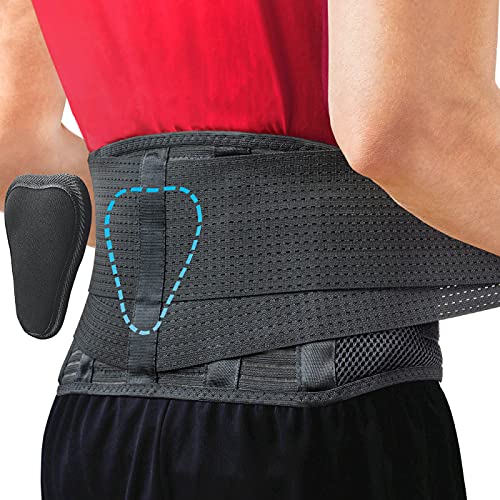
- Position the pad at the small of the back and the belt low enough to cover the lower lumbar area without pressing on the ribs.
- Snug, not tight. You should breathe normally and sit comfortably. If your skin tingles or you feel numbness, loosen it.
- Wear over a thin layer to reduce rubbing.
- Women’s fit. Roundups mention BraceUP for a cut designed for women’s shapes.
For most adults looking for an everyday lumbar belt, an adjustable brace with rigid stays and a dual-pull closure, such as the Mueller Adjustable Lumbar Back Brace, is the most frequently recommended starting point, while thinner neoprene or breathable belts suit light, discreet wear and pulley-style belts suit people who want easier tightening. Anyone with severe, persistent, radiating or post-injury back pain should see a doctor or physical therapist before choosing a belt, since a belt is a support aid and not a treatment.
Our top picks


As an Amazon Associate we earn from qualifying purchases at no extra cost to you.
Best lumbar support belts at a glance
| Belt | Best for | Key stated features | Limits |
|---|---|---|---|
| Mueller Adjustable Lumbar Back Brace | All-round daily support, work, lifting days | Removable lumbar pad, flexible stays, dual-layer wraparound closure; a one-size version is stated to fit about a 28 to 50 inch waist | Wide size range can fit loosely at the extremes; stays limit torso rotation slightly |
| Sparthos lumbar brace | Value pick in several roundups | Adjustable compression, breathable panels | Roundup rankings are affiliate-driven; fit varies |
| Copper Fit X-Back | Breathable, light compression | Copper-infused fabric as marketed by the maker | Lighter support than stayed braces |
| Cybryeh thin and lightweight | Discreet wear under clothing | Slim profile | Less rigid support |
| FREETOO pulley belt | Easy tightening with one hand | Pulley system for added compression | More parts to wear out |
| BraceUP | Women-specific fit | Cut designed for a women’s shape according to roundups | Sizing needs care |
| Heated belts such as KkaFFe | Warmth during rest | Self-heating, as marketed | Follow the maker’s heat guidance; not for use while sleeping unless the maker says so |
These are consumer roundups from sites that earn commissions, so use them to learn which features recur, not as medical guidance.
What a lumbar belt does and does not do
A lumbar support belt wraps around the lower back and abdomen, adding compression and a reminder to keep good posture. Some users report that it feels supportive during sitting, standing or lifting tasks. It does not cure back pain or fix a spinal condition. Overreliance may be discouraged by clinicians, who generally advise combining any support with movement, strengthening and guidance. If pain follows a fall or accident, includes numbness, leg weakness, trouble with bladder or bowel control, fever or unexplained weight loss, seek medical care promptly.
Budget tier: stayed adjustable braces
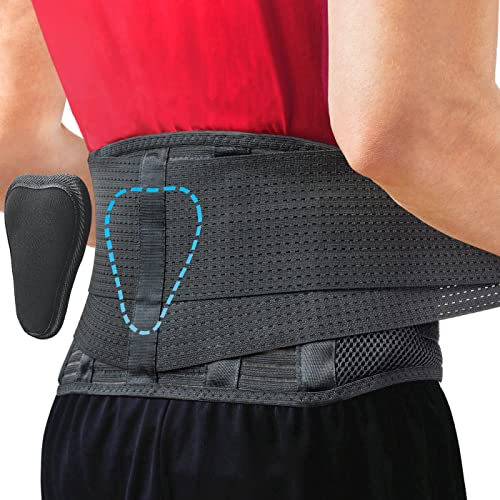
The Mueller Adjustable Lumbar Back Brace is the most consistent top pick in the 2026 roundups. One version has a removable lumbar pad and four flexible steel springs; another has eight. The dual-layer wraparound closure lets you pull the outer layer tighter than the inner one to set targeted compression. Reviewers report good support for everyday work and posture, with mild pain, but note that the one-size fit can be awkward at the ends of the range and that the secondary strap has limited adjustability.
Because it sits in the budget to mid-range tier, it is a reasonable first purchase for someone who wants to see whether a belt helps their routine, before spending more.
Mid-range tier: breathable and pulley belts
Pulley systems, like those on the FREETOO belt, let you tighten with a light pull of both hands rather than wrestling with a hook-and-loop strap. That is useful for anyone with shoulder or grip limitations. Breathable mesh designs, as in the Copper Fit X-Back, help in warm conditions. The maker’s copper claims are marketing; independent evidence for a special benefit from copper is limited, so treat it as a fabric choice.
Thin belts, like Cybryeh, fit under shirts. They provide less rigid structure, so they suit users who want light compression and a posture cue more than firm support.
Premium tier: specialty and clinically oriented braces
Higher-priced braces from medical suppliers may feature molded panels, rigid back plates or tailored sizing. They are typically recommended by clinicians for specific conditions rather than bought by browsing. If a doctor or therapist suggests a brace, follow their guidance on model, wear time and fit rather than a roundup.
Sizing and fit
- Measure the waist or hips as the maker instructs. Some brands size by waist at the navel, others at the hips. Using the wrong measurement leads to a belt that rides up.
- Position the pad at the small of the back and the belt low enough to cover the lower lumbar area without pressing on the ribs.
- Snug, not tight. You should breathe normally and sit comfortably. If your skin tingles or you feel numbness, loosen it.
- Wear over a thin layer to reduce rubbing.
- Women’s fit. Roundups mention BraceUP for a cut designed for women’s shapes.
How long to wear it
Makers’ instructions vary. Many suggest wearing the belt for tasks that load the back, such as lifting or long standing, and removing it for rest. Wearing it all day is often discouraged by clinicians because relying on it may reduce natural muscle activity. Ask your doctor or physical therapist about a schedule, particularly if you have a medical condition.
Care
Most belts can be hand washed in cool water with mild soap and air dried. Do not tumble dry, since heat damages elastic and hook-and-loop. Keep the hook-and-loop free of lint so it grips. Replace a belt that has stretched, lost its stays or rubs your skin raw.
Heated belts: extra caution
Some belts, like the KkaFFe model, are marketed as self-heating. Follow the manufacturer’s manual, never use a heated product on numb skin, and do not sleep on one unless the maker states it is safe to do so. If you have diabetes, poor circulation or a pacemaker, ask your doctor first. Auto shut-off and certification claims should come from the maker’s own documentation.
Pick X if…
| If you need… | Pick | Why |
|---|---|---|
| General daily support at a modest price | Mueller Adjustable Lumbar Back Brace | Most consistently recommended, stayed, adjustable |
| Hidden under clothing | Cybryeh thin belt | Slim profile |
| Easy tightening with limited grip | FREETOO pulley belt | Pulley closure |
| Warm weather breathability | Copper Fit X-Back | Mesh fabric |
| Women’s contoured fit | BraceUP | Cut designed for women according to roundups |
| Medical condition | Clinician-recommended brace | Fit and wear guidance from a professional |
Alternatives to a belt
- Posture-focused exercises and core work, supervised by a physical therapist.
- Lumbar cushions or chair rolls for desk work.
- Inversion tables and stretching tools, which should only be used after medical advice since they are not suitable for everyone.
- Sit-stand desks and frequent movement breaks, which reduce prolonged static postures.
Who tends to use a lumbar belt
People most often reach for a belt in a few situations: a job that involves lifting or long periods of standing, a desk routine with prolonged sitting, a return to exercise after a back strain that a clinician has cleared, or yard work and moving days that load the back more than usual. Reviewers on retail sites describe mixed experiences. Many report a feeling of support and a posture reminder, while others find that belts ride up, roll at the edges or become hot in warm weather. A belt that feels good for one task may be uncomfortable for another, so consider the activity before choosing the style.
People who are pregnant, have osteoporosis, have a spinal condition or have had surgery should ask a doctor before using a belt, since the right design and wear time depend on the diagnosis. Some roundups mention scoliosis and osteoporosis in user feedback, but those are individual accounts and not medical advice.
Features worth comparing
- Stays or springs. Flexible vertical stays give back structure. More stays usually mean firmer support and less torso rotation.
- Removable lumbar pad. Adds targeted pressure at the lower spine and can be taken out if it feels intrusive.
- Closure type. Hook-and-loop wraparound, pulley systems and buckles all work; pick the one you can operate easily and consistently.
- Fabric. Neoprene holds warmth and compression but can feel hot. Mesh and perforated panels breathe better.
- Width. Taller belts cover more of the back but can bunch when you sit; narrower belts move more freely.
- Edge finish. Soft, bonded edges are less likely to dig into the ribs or hips.
Check the maker’s return policy where possible, since fit is personal and a belt that looks right on paper may not suit your torso shape.
Frequently Asked Questions
Can a lumbar support belt cure back pain?
No. A belt gives compression and a posture reminder, and some people find it comfortable during activity. Treatment for ongoing pain should come from a doctor or physical therapist.
How tight should the belt be?
Snug enough to feel supported while still letting you breathe and move comfortably. If you feel numbness, tingling or pain, loosen or remove it.
Can I wear one while lifting at work?
Many workers use belts when lifting, but they do not replace safe lifting technique. Ask your employer or occupational health provider about guidance.
How do I choose the right size?
Measure as the maker instructs, usually around the waist or hips, and compare with the size chart. Reviewers note that one-size braces can fit loosely at the extremes.
Can I sleep in a back brace?
Most makers do not intend belts for sleep. Follow the instructions, and ask your doctor if you have been told to wear one at night.
When should I see a doctor?
See a doctor for pain after an injury, pain spreading down the leg, numbness, weakness, fever or loss of bladder or bowel control, or if pain does not improve over a few weeks.






Write Your Review
No reviews yet. Be the first to share your experience!