

Key takeaways
- Placing the pillow too high, at the mid-back instead of the lower back.
- Using an overly thick pillow that pushes you off the seat.
- Staying seated for hours; support helps, but movement matters more.
- Ignoring a chair with poor seat height; adjust the chair first.
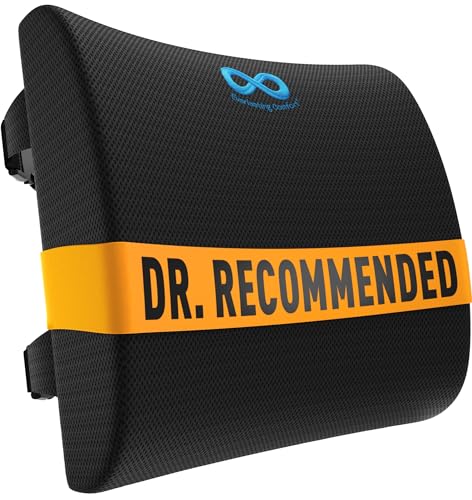
The best lumbar support pillow for most people is a memory-foam model with an adjustable strap, such as the Everlasting Comfort or ComfiLife lumbar pillow, while the Cushion Lab Extra Dense pillow suits those who want firmer shaping and the OPTP McKenzie Lumbar Roll is a classic firm roll for upright sitting. The right pillow fills the curve of your lower back, usually 3 to 4 inches above the seat, without pushing you forward. This is general product guidance, not medical advice, and anyone with ongoing back pain should check with a clinician.
Our top picks


As an Amazon Associate we earn from qualifying purchases at no extra cost to you.
Quick Comparison of the Best Lumbar Support Pillows
| Pick | Best for | Fill | Firmness | Strap | Price range |
|---|---|---|---|---|---|
| Everlasting Comfort Lumbar Support Pillow | Best overall | Memory foam | Medium-firm | Adjustable | Budget to mid |
| ComfiLife Lumbar Support Pillow | Best for office chairs | Memory foam, mesh cover | Medium-firm | Adjustable | Budget to mid |
| Cushion Lab Extra Dense Lumbar Pillow | Best firm support | Dense foam | Firm | Strap | Mid |
| OPTP McKenzie Lumbar Roll | Best firm roll | Foam roll | Firm | No | Budget to mid |
| Inflatable travel lumbar cushion | Best for cars and travel | Air | Adjustable | Often yes | Budget |
| Wedge lumbar and seat set | Best for couch and bed reading | Foam | Medium | No | Mid |
Confirm sizes and fill on each maker’s current product page, since models change.
Best Overall: Everlasting Comfort Lumbar Support Pillow
This memory-foam pillow is shaped to follow the natural curve of the lower back, with an adjustable strap so it stays put on office chairs, car seats and recliners. Foam softens with body heat, which makes it comfortable for long sitting without feeling hard.
It is one-size, so smaller users may find it too tall and larger users may want a wider option. Foam compresses over months, so replace it when it stops springing back.
Best for Office Chairs: ComfiLife Lumbar Support Pillow
ComfiLife’s pillow has a breathable mesh cover and a contoured shape designed for desk chairs. The mesh helps reduce heat build-up, and the strap adjusts across various chair backs.
The fit depends on the chair. If your chair already has a pronounced lumbar curve, the pillow may feel redundant. Try it low at first and move it up if needed.
Best Firm Support: Cushion Lab Extra Dense Lumbar Pillow
Cushion Lab focuses on dense foam shaped to stay supportive through the day. The firmer feel suits people who sink into softer foam and lose the curve after a few hours.
Firm support can feel too hard at first. Use it for short periods and build up. It is also less cushiony for people who like a soft feel.
Best Firm Roll: OPTP McKenzie Lumbar Roll
The McKenzie roll is a physical therapy classic, a firm cylinder placed behind the lower back to maintain the natural curve while sitting. Therapists often use it when teaching posture.
It lacks straps or a contoured profile, so it may slip and requires adjustment. It is a simple tool that suits upright desk chairs and car seats.
Best for Cars and Travel: Inflatable Lumbar Cushion
An inflatable lumbar cushion lets you adjust firmness with a few breaths or pump presses. It packs flat, which is handy for travel, rental cars and airplane seats.
Air cushions can slowly leak and may feel unstable. They are best for short trips rather than all-day use.
Best for Couch and Bed: Wedge Lumbar and Seat Set
For reading in bed or on a sofa, a wedge or half-moon shape supports the lower back at a reclined angle. Some sets include a seat wedge that tilts the pelvis slightly forward.
These are bulkier and less suited to office chairs. Make sure the wedge fits your couch depth and does not push you off the seat.
Positioning and Size Guide
| Body height | Pillow position above seat | Pillow height |
|---|---|---|
| Under 5 ft 3 | About 6 to 7 in | About 6 to 8 in |
| 5 ft 3 to 5 ft 9 | About 7 to 9 in | About 8 to 10 in |
| Over 5 ft 9 | About 9 to 11 in | About 9 to 12 in |
These are approximate; sit back in the chair and place the pillow in the curve of your lower back, where it feels supportive without pushing your torso forward.
How to Choose a Lumbar Support Pillow
Firmness. Firm shapes keep their curve; soft ones are comfier for short sits. Pick based on how long you sit.
Shape. Look for a curve that matches your lower back. D-shaped and contoured designs are common.
Strap and cover. Adjustable straps keep the pillow in place, and removable covers make washing easier.
Size. Smaller people should look for smaller pillows to avoid pushing the pelvis forward.
Use case. Car seats need low-profile designs that do not affect headrest alignment.
Mistakes to Avoid
- Placing the pillow too high, at the mid-back instead of the lower back.
- Using an overly thick pillow that pushes you off the seat.
- Staying seated for hours; support helps, but movement matters more.
- Ignoring a chair with poor seat height; adjust the chair first.
Worked Example: Setting Up a Desk Chair
Sit with feet flat on the floor and knees at about 90 degrees. Slide your hips back against the chair. Place the pillow so the thickest part sits in the curve above your belt line. Adjust the strap, then check that you can see your screen without leaning forward. Every 30 to 45 minutes, stand and walk for a minute. If you feel numbness or increasing pain, stop and consult a professional.
Decision Matrix: Which Pillow for Which Seat
| Your situation | Choose | Reason |
|---|---|---|
| Daily desk work | ComfiLife or Everlasting Comfort | Strap and contoured foam |
| You sink into soft cushions | Cushion Lab Extra Dense | Firm shape holds up |
| Following a therapist’s posture plan | OPTP McKenzie Roll | Common clinical tool |
| Road trips and rentals | Inflatable cushion | Adjustable and packable |
| Reading in bed or on a sofa | Wedge set | Supports a reclined angle |
Ownership Realities: Foam Life and Cleaning
Memory foam loses height gradually. A simple test is to press your hand into the foam and watch how quickly it returns; if it stays dented for many seconds, replace it. Removable mesh covers can be washed on a gentle cycle, but foam cores should be spot cleaned and air dried. Straps stretch with use, so tighten them occasionally. In cars, heat can soften foam and degrade adhesives, so remove the pillow from a hot parked vehicle when possible. Budget for a replacement every year or two if you sit on it daily.
Frequently Asked Questions
Where should a lumbar pillow go?
In the inward curve of your lower back, usually just above the beltline, so the spine stays in a neutral position.
Are lumbar pillows good for back pain?
Many people find them more comfortable for long sitting, but they are not a treatment. Persistent pain should be evaluated by a clinician.
Memory foam or firm foam?
Memory foam is softer and conforms. Firm foam holds shape longer. Choose based on comfort and sitting time.
How long does a lumbar pillow last?
Typically one to three years, depending on use and foam quality. Replace it when it flattens.
Can I use one in a car?
Yes, but pick a thinner model so it does not push you toward the steering wheel or disrupt headrest position.

Write Your Review
No reviews yet. Be the first to share your experience!