

Key takeaways
- Oscillating (pivotal) plates tilt side to side like a seesaw. Many people find them gentler on the joints and easier to tolerate. The LifePro Waver is a widely reviewed example.
- Linear (vertical) plates move straight up and down, which produces a more intense, buzzing sensation. These are generally more compact and are often found in the budget tier.
- Triplanar plates move in several directions. The Power Plate Move is described by reviewers as tri-planar and aimed at athletes and advanced users.
- 3D and 4D plates combine movement patterns. Names like Rumblex 4D, FLYBIRD 4D and Merach 4D are makers’ labels for multi-mode designs, and their exact meaning varies by brand, so look at the stated modes and speed range rather than the number alone.
For most households, a mid-range oscillating plate such as the LifePro Waver is the usual starting recommendation from reviewers, a heavier multi-mode plate such as the LifePro Rumblex Plus 4D or the Merach CV30 Pro suits people who want more power and a higher weight limit, the Power Plate Move is the premium pick for athletes and frequent users, and compact or budget plates like the LifePro Waver Mini, Flybird Mini or SoftGym suit small spaces and tight budgets. Before choosing, it helps to understand the vibration types, the stated specs and the safety limits, which are covered below.
What a home vibration plate does and does not do
A vibration plate is a platform that moves under your feet, hands or seat while you stand, squat, plank or sit on it. Makers describe uses such as warm-up, light exercise, stretching and recovery sessions. Marketing often goes further, with claims about weight loss, circulation or cellulite. Those claims are not settled, and independent reviewers generally present plates as an add-on to regular exercise and not a replacement for it. Treat any health claim in a product listing with caution, and talk to a doctor before using one if you have a medical condition.
Vibration types: oscillating, linear and 3D or 4D
Product pages use several terms, and they are worth sorting out because they affect the feel and the price.
- Oscillating (pivotal) plates tilt side to side like a seesaw. Many people find them gentler on the joints and easier to tolerate. The LifePro Waver is a widely reviewed example.
- Linear (vertical) plates move straight up and down, which produces a more intense, buzzing sensation. These are generally more compact and are often found in the budget tier.
- Triplanar plates move in several directions. The Power Plate Move is described by reviewers as tri-planar and aimed at athletes and advanced users.
- 3D and 4D plates combine movement patterns. Names like Rumblex 4D, FLYBIRD 4D and Merach 4D are makers’ labels for multi-mode designs, and their exact meaning varies by brand, so look at the stated modes and speed range rather than the number alone.
At a glance: models compared
| Model | Best for | Key stated details | Limits |
|---|---|---|---|
| LifePro Waver | Most home users | Named best starting point by FitnessVolt and BeatCopGame | Mid-range footprint |
| LifePro Waver Mini | Small spaces | 99 speed levels, built-in programs, resistance accessories, lifetime warranty per Garage Gym Reviews | Smaller platform, 260 lb capacity |
| LifePro Rumblex Plus 4D | Users wanting a stronger multi-mode machine | Named best overall for home use by VibrationPlateZone | Larger and heavier |
| Merach CV30 Pro | Heavier users, grip-focused buyers | Garage Gym Reviews best overall, high capacity, strong traction | Reviews from the maker’s own blog rank Merach first, so weigh independent sources |
| Power Plate Move | Athletes and frequent users | Tri-planar vibration, premium tier | Premium cost |
| FLYBIRD 4D | Heavy-duty use | 500 lb capacity per VibrationPlateZone | Bulky |
| Flybird Mini | Compact storage | Named best compact plate | Smaller surface |
| Sunny Health and Fitness Fitboard 2D | Gentle sessions | Garage Gym Reviews pick for lymphatic drainage use | Basic feature set |
| SoftGym, AXV, SEDOZIK | Tight budgets | Named as budget options across roundups | Lighter build, fewer features |
Specs that matter
Weight capacity
Capacity is the stated maximum user weight, and it varies widely. The Waver Mini is listed at 260 pounds, while the FLYBIRD 4D is listed at 500 pounds. Choose a plate whose limit is comfortably above your body weight, since the platform also carries any load from the way you stand or exercise.
Speed levels and programs
The Waver Mini lists 99 speed levels and built-in programs. More levels give finer control, which helps beginners start at a low setting and build up. Preset programs can be convenient, but they are a convenience and not a sign of better effect.
Platform size and surface
A larger platform lets you place your feet in a wider stance, which matters for squats and lunges. A textured, non-slip surface is important for safety. Garage Gym Reviews credits the Merach CV30 Pro with excellent traction, which is the sort of detail worth looking for.
Noise and floor protection
Plates make noise and transmit vibration to the floor. Placing the unit on a firm, level surface or a thick exercise mat helps with both. If you live in an apartment, consider the level of noise before buying a high-powered model.
Accessories
Resistance bands, remote controls and carry handles are common extras. They add convenience, but they are not a reason to pay more by themselves.
Budget tiers
- Budget: SoftGym, AXV and SEDOZIK come up as budget choices. Expect simpler construction, lower capacity and fewer modes.
- Mid-range: the LifePro Waver, Waver Mini, Rumblex Plus 4D, Merach CV30 Pro and FLYBIRD models. This tier balances features, capacity and size.
- Premium: the Power Plate Move, designed for athletes and frequent users, with a premium cost.
Pick the right plate: decision table
| Pick this if… | Choose | Why |
|---|---|---|
| You want one sensible plate for the household | LifePro Waver | Two outlets name it the best starting point |
| Space is limited | Waver Mini or Flybird Mini | Compact designs |
| You want more power and variety | Rumblex Plus 4D | Multi-mode machine |
| Capacity is a concern | Merach CV30 Pro or FLYBIRD 4D | High stated capacity |
| You train often or compete | Power Plate Move | Tri-planar, premium build |
| You want a gentle, low-intensity option | Sunny Fitboard 2D | Oscillating, recommended for light sessions |
| You want to spend as little as possible | SoftGym or AXV | Budget picks |
Safety and who should speak to a doctor first
Manufacturers’ manuals typically include a list of people who should not use a vibration plate without medical advice. Common entries include pregnancy, pacemakers or other implants, recent surgery, a history of blood clots, serious heart conditions, epilepsy, acute injuries, and certain joint or back problems. The exact list differs by maker, so read the manual for the model you buy. If you have any health concern, ask a doctor or physical therapist before your first session.
General precautions that manuals often repeat: start with short sessions at the lowest setting, keep knees slightly bent when standing, do not use the plate while barefoot on a damaged or worn surface if the manual advises footwear, stop if you feel dizzy or have pain, and keep children and pets away. Do not use the plate on soft carpet that lets it rock, and do not exceed the stated weight limit.
Setting up and using a plate at home
Place the plate on a firm, level floor away from walls and furniture, and give yourself room to step on and off. Many manuals advise wearing supportive shoes or going barefoot only if the maker says it is fine, and keeping the knees slightly bent while standing so the vibration is not transmitted straight up the spine. Begin with a short session at the lowest speed and add time and intensity gradually over several weeks. Basic positions reviewers mention include standing, shallow squats, calf raises, push-up or plank holds with the hands on the platform, and seated stretches. Keep the power cord and remote out of the way to avoid tripping, and unplug the unit when it is not in use.
Alternatives to a vibration plate
- Walking pad or treadmill: an alternative if you want low-impact movement with a more established track record.
- Resistance bands and bodyweight work: low-cost and flexible for strength training.
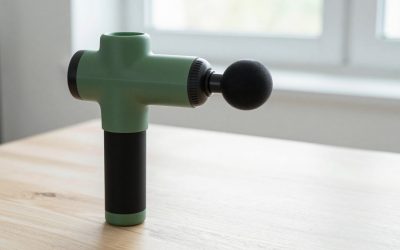
- Massage gun or foam roller: a different approach for post-workout recovery, aimed at soft tissue and not at whole-body movement.
How to read reviews
Several of the sources behind these picks are affiliate-driven or brand-run. The Merach blog ranks Merach products first, and VibrationPlateZone is a specialist review site. Garage Gym Reviews describes trainer testing and is generally treated as more independent. Where sources agree, as with the LifePro Waver being a common starting recommendation, the signal is stronger than when only one outlet mentions a model. Reviewer ratings and counts change often, so they are left out here.
Frequently Asked Questions
Are vibration plates good for weight loss?
The evidence for weight loss from a plate alone is limited, and reviewers present plates as a supplement to regular exercise and a sensible diet. Treat claims of fast fat loss with caution. A doctor or dietitian is the right person to ask about weight goals.
How often should I use a vibration plate?
Makers generally suggest short sessions, often 10 to 15 minutes, a few times per week, starting at a low speed. Follow the manual for your model. Stop if you feel unwell.
What is the difference between oscillating and linear plates?
Oscillating plates tilt side to side and tend to feel gentler, while linear plates move straight up and down and feel more intense. Triplanar and 4D plates combine movement patterns. Many beginners prefer oscillating.
Is a heavier weight capacity important?
Yes. Choose a plate whose stated limit is comfortably above your weight, since the platform handles exercise loads too. Capacities range from about 260 pounds on compact models to 500 pounds on heavy-duty ones.
Can I use one in an apartment?
Often, yes, but plates make noise and transmit vibration. Use a firm mat, start at low speeds and avoid late hours. Quieter oscillating models are generally easier on neighbors.
Who should not use a vibration plate?
People who are pregnant, have implants or pacemakers, a history of clots, recent surgery or other medical conditions should speak to a doctor first. Manuals contain a full list for each model. When in doubt, ask a medical professional.



Write Your Review
No reviews yet. Be the first to share your experience!