

Key takeaways
- Budget: basic single-channel units and multi-mode combination units such as the AUVON 3-in-1. Good for occasional use; expect fewer settings or less refined controls.
- Mid-range: established brands with clear manuals, pre-set programs and replacement pads that are easy to find, such as the Omron line.
- Premium: four-channel and clinic-style units for people who want maximum flexibility. Worth it only if you will actually use the extra channels.
For most first-time buyers, a simple single-channel unit with pre-set programs, such as the Omron Max Power Relief, is the easiest way into TENS, while people who want more control over pulse width and frequency usually look at a dual-channel model like the TENS 7000. Anyone with a pacemaker, an implanted device, or a pregnancy should talk to a doctor before buying any unit at all. This guide explains what TENS is, which current models keep appearing in reviewer roundups, what the makers state about them, and how to match a unit to your situation.
Our top picks


As an Amazon Associate we earn from qualifying purchases at no extra cost to you.
What a TENS Unit Is and What It Is Not
TENS stands for transcutaneous electrical nerve stimulation. A small battery-powered device sends mild electrical pulses through sticky pads placed on the skin near an area of discomfort. Omron’s manual describes the theory as the pulses interfering with pain signals on their way to the brain, and the same manual is clear that TENS does not treat the underlying source of the pain and that the long-term effects of electrical stimulation are unknown. That is a useful frame for a buying decision: a TENS unit is a drug-free comfort tool you manage yourself, not a treatment for a diagnosis.
Over-the-counter units sold for home use are Class II devices in the United States. The FDA record for the Omron Maxpower Relief (model PM3032B) lists it as a small battery-operated TENS device for pain relief, cleared for over-the-counter use. Clearance for a device category is not the same as a promise that it will help any particular person, so keep expectations modest and stop using it if anything feels wrong.
At a Glance: Models Reviewers Keep Naming
| Model | Best for | Key stated features | Limits |
|---|---|---|---|
| Omron Max Power Relief (PM500) | Beginners who want simplicity | Single channel; six body-area programs (shoulder, lower back, arm, foot, leg, joint) plus three massage-style modes; 15 intensity levels; two reusable pads rated by the maker for up to 150 uses; auto shut-off after 15 minutes; uses AAA batteries | One channel only, so one pair of pads at a time; fewer manual adjustments |
| TENS 7000 (Roscoe Medical) | Buyers who want adjustable settings | Roundups describe a dual-channel unit with adjustable pulse width and frequency, able to drive four electrodes | Reviewers note it runs on a 9V battery and is TENS-only, with no muscle-stimulation mode |
| AUVON 3-in-1 | Budget buyers who want extra modes | Outlets describe TENS, EMS and massage modes in one unit | More modes can mean a steeper learning curve; read the manual closely |
| iSTIM EV-805 | People who want four channels | Roundups describe a four-channel unit often preferred for recovery-style use | More setup complexity; larger footprint |
| Omron Pocket Pain Pro | Simple, low-fuss use on small areas | Described by one outlet as pre-programmed and easy for daily use, including on the feet | Limited to its built-in programs |
These are the names that appear repeatedly across review roundups. Many of those roundups are affiliate-driven and some use near-identical wording, so treat any ranking as a soft signal and rely more on the maker’s manual than on a list position.
Single Channel or Dual Channel
A channel is one output that feeds one pair of pads. A single-channel unit is enough for one area, such as a lower back or one shoulder. A dual-channel unit lets you treat two areas at once or use a wider pad layout on a larger area such as the back. A four-channel unit, like the one reviewers describe for the iSTIM EV-805, extends that further. The trade-off is complexity: every extra channel adds cords, pads and settings you have to understand. If you only ever expect to use it on one spot, a single channel keeps things simple.
Pre-Set Programs or Manual Control
Pre-set programs, as on the Omron Max Power Relief, choose pulse patterns for you based on the body area. They suit people who do not want to learn what pulse width and frequency mean. Manual control, which roundups highlight as a strength of the TENS 7000, suits people who want to fine-tune. Neither approach is objectively better. If you are unsure, start with the simpler option and only move to a more adjustable unit if you find the presets limiting.
Intensity Levels and Timers
Look for fine intensity steps, because a sensation that is comfortable at one level can feel harsh a step or two higher. Omron lists 15 levels for its Max Power Relief. A built-in timer matters too: Omron states that its unit turns itself off after 15 minutes. Whatever you buy, follow the session length in the manual rather than the longest time you can tolerate.
Pads, Cords and Running Costs
The unit itself is only part of the cost of ownership. Pads wear out as the adhesive loses grip, and some models use proprietary pad shapes. Omron says its long-life pads are good for up to 150 uses; that is a maker figure and real life depends on skin condition, how you store them, and how often you wash the area. Battery type matters as well. The Max Power Relief uses AAA batteries and the TENS 7000 is reported to use a 9V battery, so budget for spares if you plan regular use. Rechargeable options exist in the wider market, so read the listing carefully, since resellers sometimes publish conflicting specifications for the same model name.
Budget Tiers
- Budget: basic single-channel units and multi-mode combination units such as the AUVON 3-in-1. Good for occasional use; expect fewer settings or less refined controls.
- Mid-range: established brands with clear manuals, pre-set programs and replacement pads that are easy to find, such as the Omron line.
- Premium: four-channel and clinic-style units for people who want maximum flexibility. Worth it only if you will actually use the extra channels.
Safety Notes Before You Buy
Read the whole manual before first use. The Omron manual lists several groups who should not use the device, including people with a cardiac pacemaker, implanted defibrillator or other implanted metallic or electronic device, pregnant women, and children, because the device has not been evaluated for pediatric use. It also says to apply stimulation only to normal, intact, clean, dry and healthy skin. Other makers publish their own lists, which may differ, so read the one that ships with your unit.
Additional common-sense cautions: do not place pads over broken or irritated skin, near the front of the neck, or across the chest or head unless the manual explicitly allows it. Do not use a TENS unit while driving, sleeping, or in water. If your pain is new, severe, getting worse, or comes with numbness, weakness, fever or chest symptoms, see a doctor rather than self-managing with a device. A clinician or physical therapist can also show you correct pad placement.
Pick X If… Decision Table
| If you… | Consider | Why |
|---|---|---|
| Have never used TENS and want minimal setup | Omron Max Power Relief | Body-area programs and a maker-stated auto shut-off keep decisions to a minimum |
| Want to adjust pulse width and frequency yourself | TENS 7000 | Reviewers describe adjustable settings and two channels |
| Want TENS plus other modes on a tight budget | AUVON 3-in-1 | Outlets describe TENS, EMS and massage in one unit |
| Want to cover several areas at once | iSTIM EV-805 | Four channels are described by roundups |
| Want something small for daily use on small areas | Omron Pocket Pain Pro | Described as simple and pre-programmed |
| Have an implant, pacemaker, or are pregnant | Ask your doctor first | Makers list these as situations where TENS should not be used without medical advice |
Alternatives to Consider
- Heat and gentle movement: many people reach for warmth, stretching or short walks first. They need no electrodes and carry no implant restrictions, although heating products come with their own instructions.
- Physical therapy: a therapist can assess the cause of the pain and may recommend exercises or in-clinic electrotherapy, which a home unit cannot replace.
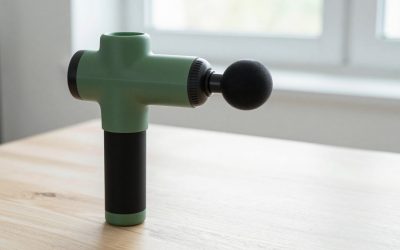
- Percussion or manual massage tools: for tight muscles rather than nerve-related discomfort. Follow the maker’s guidance on where not to use them.
How to Get the Most Out of Any Unit
Clean and dry the skin before applying pads, and keep hair trimmed where pads sit if it interferes with contact. Place pads as the manual shows, with the unit switched off, and raise intensity slowly until you feel a steady tingle rather than pain. Turn the unit off before moving or removing pads. Store pads on their original plastic liner in a sealed bag so the adhesive lasts. Replace pads when they stop sticking evenly, because a patchy contact can feel sharper at the edges.
Frequently Asked Questions
Is a TENS unit the same as an EMS unit?
No. TENS targets sensory nerves with pulses intended to change how discomfort is perceived, while EMS is designed to make muscles contract. Some combination units, such as the AUVON 3-in-1 described by outlets, include both, but reviewers note that a TENS-only unit like the TENS 7000 does not contract muscle.
How long should a session last?
Follow the manual for your exact model. Omron’s Max Power Relief shuts itself off after 15 minutes, which gives a sense of how short a single session can be. If a longer session is suggested for your situation, that is a question for a clinician rather than something to guess at.
Can I use a TENS unit if I have a pacemaker?
The Omron manual states that people with a cardiac pacemaker, implanted defibrillator or other implanted metallic or electronic device should not use the unit, because of risks that include interference and burns. Other makers publish similar warnings. Ask your cardiologist or doctor before using any electrical stimulation device.
Where should the pads go?
Place them on clean, intact skin around the sore area as shown in your unit’s manual, usually with a few centimeters between pads. Avoid broken or irritated skin, and do not place pads on the front of the neck, over the heart, or on the head unless the maker allows it. A physical therapist can show you positioning for your situation.
Do replacement pads and batteries add much to the cost?
They can over time. Omron rates its pads for up to 150 uses, but pad life varies with skin and storage. Battery type also differs between models, with AAA cells listed for the Omron Max Power Relief and a 9V battery reported for the TENS 7000, so factor in spares.
When should I see a doctor instead?
See a doctor if your pain is new, severe or worsening, or comes with numbness, weakness, fever, or chest or breathing symptoms. A TENS unit does not address the cause of pain, so it should not delay a proper diagnosis.







Write Your Review
No reviews yet. Be the first to share your experience!