
Key takeaways
- Treadmill vs exercise bike: compare calorie burn, joint impact, muscle use, and cardio benefits to find which workout fits your goals, knees, and space.
As an Amazon Associate, we earn from qualifying purchases.
If you are choosing between a treadmill and an exercise bike for home workouts, you are really asking two questions at once. Which machine burns more calories, and which one will you actually keep using week after week? The honest answer is that both machines can deliver an excellent workout, but they do it in different ways, and the better choice depends on your joints, your fitness goals, your available space, and how much variety you need to stay motivated.
The Short Answer
For most people, the treadmill burns more calories per minute at the same perceived effort, because walking and running are weight-bearing activities that recruit more muscle groups. An exercise bike, on the other hand, is gentler on the joints, easier to use for long sessions, and often the smarter pick for beginners, older adults, and anyone managing knee, hip, or back discomfort.
Neither machine is universally better. The better workout is the one that matches your body and your goals, and that you will use consistently for months, not just for the first two weeks. A machine that gathers dust burns no calories at all, so comfort, convenience, and enjoyment matter just as much as the numbers.
Calorie Burn: Treadmill vs Exercise Bike
Calorie burn is usually the first thing people ask about, and here the treadmill has a clear edge. When you walk or run, your body supports its own weight with every step, and your arms, core, legs, and glutes all contribute. On an exercise bike, your body weight is supported by the seat, so fewer muscles are working at any given moment, and total energy expenditure tends to be lower at a comparable effort level.
At a moderate pace, a brisk walk on a treadmill generally burns more calories than easy pedaling on a stationary bike. Running widens the gap further, since running is one of the highest calorie-burning forms of steady exercise available. Cycling can close much of that gap when you push hard, for example with high-resistance climbs or intense intervals, but most casual riders do not sustain that intensity for long.
That said, calorie burn per minute is only part of the story. Total calories burned depend on how long you exercise and how often. If your knees ache after twenty minutes on a treadmill but you can comfortably ride a bike for forty-five minutes, the bike may burn more calories overall in your real routine. Intensity matters, duration matters, and frequency matters most of all.
Cardiovascular Fitness
Both machines are excellent for heart health. Regular aerobic exercise strengthens the heart muscle, improves circulation, lowers resting heart rate over time, and helps manage blood pressure. Both the treadmill and the exercise bike can raise your heart rate into the training zone and keep it there, which is what drives cardiovascular improvement.
The treadmill may have a slight advantage for building aerobic capacity quickly, because running engages more of the body and tends to push heart rate higher at a given level of effort. Many runners find it easier to reach and sustain a challenging heart rate on a treadmill than on a bike.
The exercise bike has its own advantage: it is easier to sustain a steady, controlled effort. Because cycling is low impact and seated, many people find they can hold a target heart rate zone for longer without fatigue in the joints or the lower back. Longer, steadier sessions are valuable for endurance, and the bike makes them feel more manageable.
For heart health, either machine works well when used regularly. Aim for sessions that raise your breathing and heart rate, and build up duration gradually rather than chasing maximum intensity from day one.
Muscles Worked
A treadmill primarily works the muscles of the lower body: quadriceps, hamstrings, glutes, and calves, with the core engaged to stabilize your posture. Running adds more glute and calf activation than walking, and increasing the incline shifts more work to the glutes, hamstrings, and calves. Your arms swing naturally, but they contribute relatively little unless you deliberately pump them.
An exercise bike also targets the quadriceps, hamstrings, glutes, and calves, but the emphasis is different. The quadriceps do much of the work during the downstroke, the hamstrings and glutes assist, and the calves contribute through the pedal stroke. The upper body stays mostly still, and the core works quietly to keep you stable and upright.
Neither machine is a complete strength workout on its own. Both mainly build muscular endurance in the legs rather than raw strength. If building balanced muscle is a goal, pair either machine with resistance training two or three times per week, such as bodyweight exercises, resistance bands, or weights.
Impact on Knees, Hips, and Back
This is where the exercise bike pulls clearly ahead. Cycling is a low-impact activity: your feet stay on the pedals, your body weight rests on the seat, and there is no pounding with each stride. That makes the bike a popular choice for people with knee osteoarthritis, hip discomfort, or a history of joint injuries, and for anyone returning to exercise after a long break.
Running on a treadmill is a higher-impact activity. Each footstrike sends force through the ankles, knees, and hips. A treadmill deck is more forgiving than pavement or concrete, but the impact is still real, and it adds up over long or frequent sessions. Walking on a treadmill is much gentler than running and is a good middle ground for people who want the weight-bearing benefit without the pounding of a run.
Back comfort is more individual. Some people find the seated, slightly forward posture of a bike uncomfortable for the lower back, especially if the seat and handlebars are not adjusted properly. Others find the upright posture of walking more comfortable. Proper setup matters a great deal on both machines: adjust the bike seat height so your knee has a slight bend at the bottom of the pedal stroke, and stand tall on the treadmill rather than leaning on the handrails.
If you have an existing joint condition or a history of back problems, check with a healthcare professional before starting a new exercise routine, and favor the machine that feels comfortable rather than the one that burns the most calories on paper.
Weight Loss: Which Machine Helps More?
For weight loss, the treadmill has a modest advantage on paper, because it typically burns more calories per minute. But weight loss is driven by total energy balance over weeks and months, not by the calorie burn of a single session. The machine that helps you lose weight is the one you use consistently, at a challenging but sustainable effort, several times a week.
The exercise bike can be the better weight-loss tool for many people in practice. Because it is low impact and comfortable, it is easier to do longer sessions and to exercise more days per week without soreness or joint pain. Someone who rides for forty minutes, five days a week, will likely burn more total calories than someone who runs for fifteen minutes twice a week and then skips sessions because their knees hurt.
Both machines support the strategies that make weight loss work: steady moderate sessions, higher-intensity intervals, and gradual progression. Vary your workouts, increase duration or intensity a little each week, and pair exercise with sensible eating habits. No machine can outwork a diet that consistently supplies far more energy than you burn.
Workout Variety and Boredom
Boredom is the quiet enemy of home exercise. The machine you enjoy using is the machine you will keep using, so variety matters.
Treadmills offer natural variety through speed and incline. You can walk, jog, run, climb hills, and do intervals that alternate fast and slow segments. Many people enjoy walking while listening to music or a podcast, or running through structured interval sessions that keep the mind engaged.
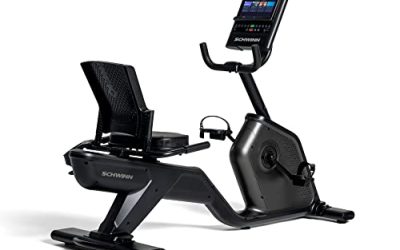
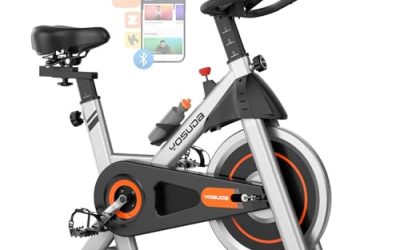
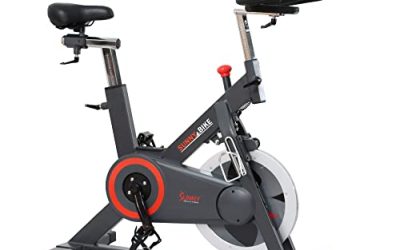
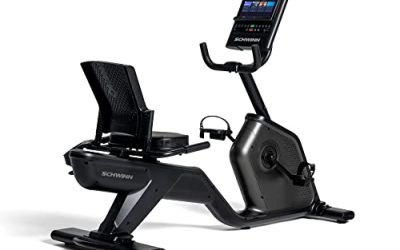
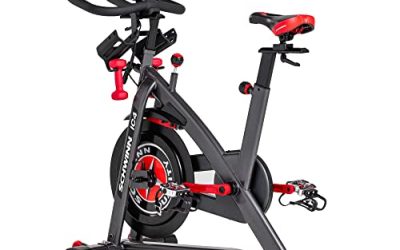
Exercise bikes also offer variety, though of a different kind. You can change resistance to simulate hills, ride at a steady pace for endurance, or do short, intense intervals. Many riders enjoy the ability to read, watch a show, or follow a guided cycling workout while pedaling, which can make longer sessions feel shorter. Recumbent bikes, with a reclined seat and back support, add another option for people who want maximum comfort during long rides.
High-Intensity Interval Training
Interval training, alternating short bursts of hard effort with recovery periods, is an effective way to improve fitness in less time. Both machines work well for intervals, but they feel different.
On a treadmill, intervals usually mean alternating running and walking, or changing speed and incline in set blocks. This is very effective, but it demands attention: you need to adjust speed safely and stay balanced as the belt changes pace. Beginners should start with walking intervals and build up gradually.
On an exercise bike, intervals mean pedaling hard against high resistance, then easing off to recover. This is simpler to control and safer for most people, since there is no risk of tripping or losing balance on a moving belt. That makes the bike a strong choice for interval beginners, and for anyone who wants intense workouts without impact.
Ease of Use and Learning Curve
Walking is the most natural exercise there is, so the treadmill has the gentlest learning curve of all. If you can walk, you can use a treadmill. Running takes more practice to do comfortably, but walking sessions are immediately accessible to almost everyone.
The exercise bike is also easy to learn, but it requires a little setup. Seat height, seat position, and handlebar position all affect comfort and knee health, and getting them right takes a few minutes of adjustment the first time. Once set up, pedaling is simple and intuitive.
Space, Noise, and Practical Considerations
Practical factors often decide the choice more than fitness theory. Measure your space before you buy, and think about where the machine will live day to day.
Treadmills tend to be larger and heavier than exercise bikes, and they need clearance around the belt for safe use. Many models fold, which helps, but a folded treadmill still takes up floor space. Exercise bikes are generally more compact, lighter, and easier to move, and they fit more easily into a bedroom or a small living area.
Noise is another consideration, especially in apartments or shared homes. Exercise bikes are usually very quiet, with only the soft whir of the flywheel and your breathing to hear. Treadmills produce more noise from the motor and from footfalls, and running is noticeably louder than walking. If you exercise early in the morning or late at night, the quieter machine may keep the peace.
Both machines need a flat, stable surface and a little room to mount and dismount safely. Leave space behind a treadmill in particular, and keep the area around either machine clear of clutter.
Which Is Better for Beginners?
For a complete beginner, the exercise bike is often the easier starting point. It is low impact, seated, easy to control, and forgiving of low fitness levels. You can start with short, easy rides and build up gradually without worrying about balance or impact.
The treadmill is also beginner friendly if you start with walking. Walking is familiar, and you can control speed and incline precisely. Beginners who prefer walking or who want a weight-bearing activity for bone health may be happier starting with a treadmill.
The best beginner machine is the one that feels comfortable and inviting on day one. If possible, try both types before deciding, even briefly, and notice which one you would look forward to using again.
Which Is Better for Your Goal?
Different goals point to different machines, so match the machine to the outcome you care about most.
If your main goal is burning the most calories in the shortest time, and your joints are healthy, the treadmill is the stronger pick, especially for running and incline walking. If your main goal is improving cardiovascular fitness with minimal joint stress, the exercise bike is hard to beat. If you are managing knee, hip, or back issues, the bike is usually the safer choice. If you want to protect bone density, the weight-bearing nature of walking and running gives the treadmill an advantage, since cycling is not weight bearing. If you want the quietest, most compact option for a small space, the bike usually wins. If you love running or walking outdoors and want a bad-weather alternative, the treadmill will feel most familiar.
Many households eventually own both, using the bike on recovery days and the treadmill for harder sessions. If you can only choose one, pick the machine that fits your body, your space, and your habits, not the one that looks best in a comparison chart.
A Simple Weekly Plan for Either Machine
Consistency beats perfection. A realistic weekly plan for either machine might look like this: three to five sessions per week, mixing steady workouts with one interval session and one longer, easier session. Start with sessions of twenty to thirty minutes if you are new to exercise, and add five minutes every week or two as your fitness improves.
Warm up for five minutes at an easy pace before every session, and cool down for five minutes afterward. Stretch gently after your workout, and take at least one full rest day per week. If you feel sharp pain, dizziness, or unusual shortness of breath, stop and seek medical advice.
Track your sessions in a simple log: date, machine, duration, and how hard the session felt. Seeing your progress over weeks is motivating, and it helps you increase your training gradually instead of doing too much too soon.
Common Mistakes to Avoid
On the treadmill, the most common mistakes are holding the handrails while walking or running, which reduces calorie burn and distorts posture, and increasing speed or incline too quickly. Stand tall, let your arms swing naturally, and raise the difficulty gradually. Always step onto the belt carefully and use the safety clip if your machine has one.
On the exercise bike, the most common mistakes are setting the seat too low, which strains the knees, and riding with very low resistance at a very fast cadence, which does little for fitness. Adjust the seat so your leg is almost straight at the bottom of the pedal stroke, and use enough resistance to feel your muscles working.
Frequently Asked Questions
Is a treadmill or exercise bike better for belly fat? Neither machine targets belly fat specifically, and spot reduction is a myth. Both burn calories and improve fitness, which supports overall fat loss when combined with sensible eating. Choose the machine you will use consistently.
Can I use an exercise bike every day? Yes, most people can ride daily at a moderate intensity, since cycling is low impact. Vary the intensity, include at least one easier day, and listen to your body. If your knees or hips feel sore, take a rest day.
Is walking on a treadmill as good as walking outside? Walking on a treadmill provides similar cardiovascular and muscular benefits to outdoor walking, and it adds convenience and weather protection. Outdoor walking adds varied terrain, fresh air, and balance challenges. Both count, and the best choice is the one you will do regularly.
Does an exercise bike help with running fitness? Cycling builds leg endurance and cardiovascular fitness that transfer partly to running, but it does not replace running-specific training. If you are training for a running event, the treadmill is the more specific tool. Cycling is an excellent cross-training complement for runners.
Which machine is better for seniors? The exercise bike is often the better starting point for seniors, because it is seated, low impact, and stable. A treadmill used for walking is also a good option, especially for those who want weight-bearing exercise. The right choice depends on balance, joint health, and personal preference.
The Verdict
The treadmill burns more calories per minute and offers weight-bearing exercise that supports bone health, but it is higher impact and harder on the knees. The exercise bike is gentler, quieter, more compact, and easier to sustain for long sessions, but it burns fewer calories per minute at the same effort and does not load the bones the way walking and running do.
For most people, the better workout is not the machine with the highest calorie burn on paper. It is the machine that fits your joints, your space, your schedule, and your enjoyment, because that is the machine you will still be using six months from now. If your knees are healthy and you love walking or running, choose the treadmill. If you want the gentlest, most sustainable route to regular exercise, choose the exercise bike. Either way, the real win is building a habit you can keep.
More from Amazon
Programs that pair well with the guide above. Offers and eligibility are set by Amazon and may change.
Collect the home and kitchen items you want in one registry that guests can shop from.
Create a wedding registrySet up recurring deliveries of everyday items on eligible products. Terms and savings are set by Amazon.
Explore Subscribe & SaveFree shipping on eligible items, Prime Video and more. Eligible new members can start with a free trial.
Start a Prime free trialAudiobooks and podcasts to listen to on the go. Eligible new members can start with a free trial.
Try Audible freeAs an Amazon Associate we earn from qualifying purchases.


Write Your Review
No reviews yet. Be the first to share your experience!