

Key takeaways
- Start with clean hands and inspect the bristles for sharp edges or damage.
- Place the tool against the scalp rather than pressing down from the hair ends.
- Use light pressure for the first 30 seconds, then increase only if it remains comfortable.
- Work across the front, sides, crown, and back for about 30–60 seconds per area.
- Keep a full session to roughly 3–10 minutes; longer is not automatically better.
- Rinse shampoo residue from the tool, shake off excess water, and air-dry it fully.
Best Scalp Massagers for Relaxation and Care
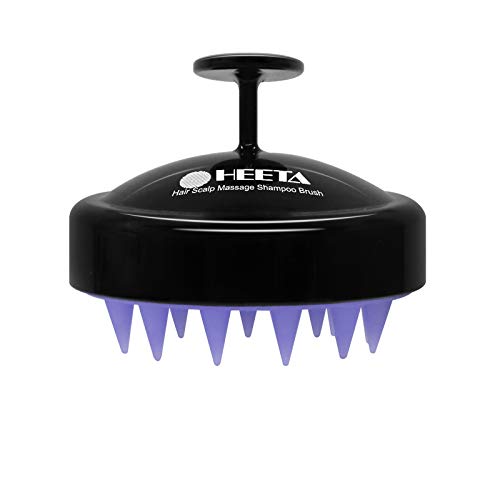
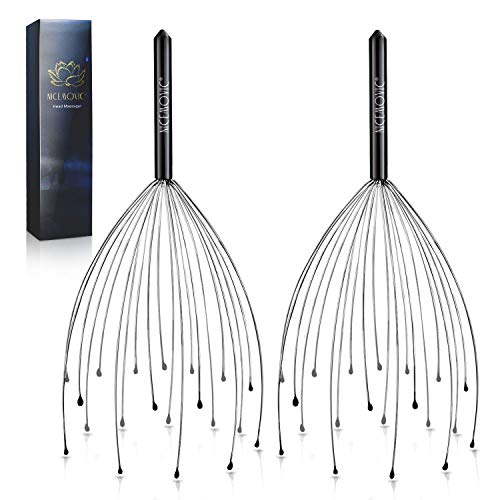
The best scalp massager for most people is a soft silicone manual model with flexible bristles, a non-slip grip, and a fully sealed design; choose a powered version if you want timed, consistent pressure or find hand movement tiring.
Manual and powered scalp massagers can both work well on wet or dry hair, but they suit different routines. A manual tool is lighter, quieter, easier to clean, and usually less expensive. A powered tool adds vibration or rotating nodes, which may feel more relaxing, but it needs charging and deserves closer attention to waterproofing, pressure, and replacement parts.
Our top picks


As an Amazon Associate we earn from qualifying purchases at no extra cost to you. Ratings are shown as listed on Amazon.
Manual vs. powered scalp massagers at a glance
| Feature | Manual silicone design | Powered vibrating or rotating design |
|---|---|---|
| Typical weight | 60–130 g | 180–350 g |
| Typical price range | $8–$25 | $25–$90 |
| Battery life | Not applicable | About 1.5–6 hours of cumulative use |
| Useful session length | 2–5 minutes | 3–10 minutes, often with an automatic shutoff |
| Wet-hair use | Usually suitable if the silicone body is sealed | Only if the manufacturer specifically rates it for shower use |
| Pressure control | Direct and highly adjustable | Consistent, but sometimes less subtle |
| Cleaning effort | Rinse and air-dry | Wipe charging contacts and keep the charging port sealed |
| Likely wear points | Split bristles, loose handle, stained silicone | Battery capacity, charging seal, motor noise, worn bristles |
These are practical buying ranges rather than specifications for one particular product. A massager with very dense bristles may feel more intense even when its bristles are short, while a large head can cover more area but may be awkward around the ears and hairline.
What to look for before buying
1. Bristle softness and shape
Soft, tapered silicone bristles are the safest starting point for general relaxation and shampoo distribution. Look for rounded tips without sharp molding seams. Bristles around 8–15 mm long are versatile: shorter tips feel more concentrated, while longer flexible tips can reach through thicker hair.
Very soft bristles bend easily and suit sensitive scalps or frequent use. Medium-firm bristles give more noticeable contact through dense hair, but they should still flex rather than drag the skin. Avoid choosing by firmness alone. A hard tool used with excessive force can leave the scalp feeling tender, especially when used over irritated skin.
2. Grip comfort
A good grip matters more than decorative features because a slippery handle encourages squeezing and excessive pressure. Useful details include a palm-sized loop, textured silicone, a broad oval body, or a handle opening large enough for two or three fingers. For wet use, avoid smooth hard plastic unless it has a substantial raised grip.
Check the approximate dimensions before buying. A head about 70–90 mm wide is easy to maneuver for many users. A smaller 55–65 mm head can be better for precision around the hairline, while a larger 90–110 mm head may cover thick hair faster but can feel clumsy on a small head.
3. Waterproofing, not just water resistance
For shower use, look for an explicit shower-safe or waterproof rating, not merely “water-resistant.” A sealed tool should tolerate rinsing and wet hands, but the charging port still needs protection. Never charge a powered massager while it is wet or in the shower. Dry the device and the charging socket first, then replace the cover firmly.
If the listing does not clearly explain wet use, treat the massager as dry-hair only. Water can enter through a poorly protected charging socket, seams, or a removable battery compartment. A manual one-piece silicone tool avoids most of these ownership problems.
4. Battery life and charging
Battery life is most useful when considered as sessions rather than hours. For example, a device rated for 3 hours of cumulative operation provides roughly 36 ten-minute sessions or 60 three-minute sessions before recharging. Actual runtime can fall at higher speed settings, and battery capacity generally declines with age.
A USB charging cable is convenient, but a magnetic connector or sealed port is preferable for a shower-oriented design. A battery indicator and automatic shutoff are worthwhile features: the first prevents surprise charging, while the second helps limit overly long sessions.
Best choices by situation
| Your situation | Best fit | Why |
|---|---|---|
| Lowest budget or occasional use | Basic manual silicone tool, $8–$15 | No battery, simple cleaning, and low replacement cost |
| Frequent shower use | Sealed manual model with soft bristles | Fewer water-entry and charging concerns |
| Thick or tightly packed hair | Longer, flexible medium-soft bristles | Better reach without requiring hard pressure |
| Sensitive scalp or beginner | Wide-spaced, very soft bristles | Lower chance of catching hair or feeling scratchy |
| Consistent timed routine | Powered model with multiple speeds and shutoff | Repeatable sessions and less hand movement |
| Travel or gym bag | Manual model under 120 g | No charger, compact storage, and less leakage risk |
| Limited hand strength | Powered model with a large grip and one-button control | Less repetitive squeezing and rotation |
Wet hair or dry hair: which works better?
Wet hair is usually the easiest setting for a manual tool because shampoo provides slip and the massager can help spread product across the scalp. Divide very thick hair into sections rather than forcing the bristles through from the surface. Use small circles or short back-and-forth movements, keeping the tool in contact with the scalp.
Dry-hair use gives more precise pressure feedback and avoids adding water to a powered device. It can be useful before bed or when you do not want to wash your hair. However, dry hair is more likely to tangle around long bristles. Move slowly, keep the tool close to the scalp, and lift it away before changing direction instead of pulling through knots.
How to use a scalp massager without overdoing it
- Start with clean hands and inspect the bristles for sharp edges or damage.
- Place the tool against the scalp rather than pressing down from the hair ends.
- Use light pressure for the first 30 seconds, then increase only if it remains comfortable.
- Work across the front, sides, crown, and back for about 30–60 seconds per area.
- Keep a full session to roughly 3–10 minutes; longer is not automatically better.
- Rinse shampoo residue from the tool, shake off excess water, and air-dry it fully.
Do not drag the massager across tangled hair, scrape the skin, or use it over open sores, a worsening rash, or significant irritation. Stop if you notice pain, bleeding, persistent redness, or unusual sensitivity. For an ongoing scalp concern, ask a qualified healthcare professional or dermatologist rather than relying on a massage tool.
Ownership details that product listings often omit
Silicone itself is durable, but thin bristle tips can deform if the tool is stored under heavy bottles or exposed to high heat. The first signs of replacement are usually permanently bent bristles, cracking around the handle, a sticky surface, or an odor that remains after washing. Replace a damaged tool rather than continuing to use it on the skin.
Clean a manual massager after each shampoo session and give it a deeper wash weekly with mild soap. Let it dry in an open area instead of leaving it face-down in a damp shower corner. For a powered model, wipe the body, rinse only when its instructions permit it, and keep water away from uncovered contacts. Do not use alcohol, boiling water, or abrasive pads unless the manufacturer specifically approves them.
Hair products can also affect performance. Oils, waxes, and heavy styling creams may leave a film that attracts dust and makes silicone feel less grippy. If the massager becomes slippery, wash it before increasing hand pressure. The common mistake is trying to compensate for poor contact with force; a slower movement, smaller section, or softer bristle design is usually the better adjustment.
Bottom line
Choose a manual silicone scalp massager if you value simplicity, low cost, wet-hair convenience, and easy maintenance. Choose a powered design when timed sessions, vibration, or reduced hand effort matter enough to justify charging and more careful cleaning. Whichever style you select, prioritize rounded flexible bristles, a secure grip, clearly stated water protection, and a size you can control comfortably over extra modes or aggressive pressure.




Write Your Review
No reviews yet. Be the first to share your experience!