

Key takeaways
- SBD sleeves are described as IPF approved and USPA approved.
- Rehband 7mm is described as approved for USAPL, IPF and IWF, but not USPA.
- Titan Yellow Jacket is described as 7mm neoprene, 30 centimeters long and IPF approved.
- Gymreapers 7mm is described as IPF approved by Home Gym Verdict.
For competition-minded powerlifters, the SBD 7mm knee sleeves are the usual pick in 2026 roundups for stiffness and rebound, the Titan Yellow Jacket suits lifters who want maximum stability on heavy squats, the Rehband 7mm suits lifters who value comfort and mixed training, the Rehband 5mm suits beginners who find thick sleeves hard to pull on, and Gymreapers 7mm is the budget route. Which one is allowed on the platform depends on your federation, so that is the first thing to settle.
Our top picks

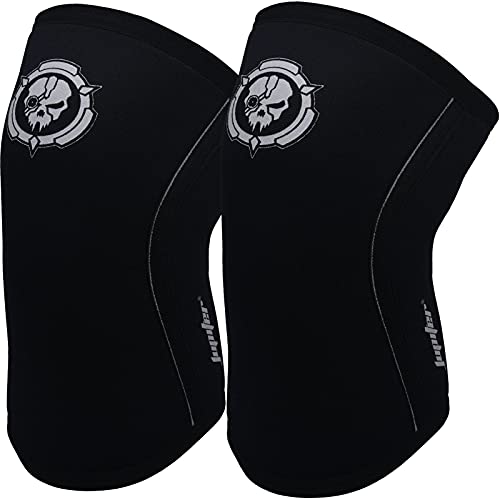
As an Amazon Associate we earn from qualifying purchases at no extra cost to you.
What knee sleeves do, and what they do not
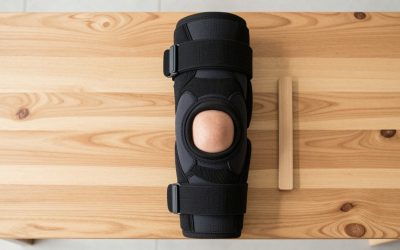
Knee sleeves are tubes of neoprene that slide over the knee. Lifters use them for warmth, compression and a feeling of support, and thicker, stiffer sleeves can add some rebound out of the bottom of a squat. They are not medical braces. They do not treat injuries, and they should not be used as a substitute for medical advice. If you have knee pain, swelling or an injury, speak to a doctor or physical therapist before training through it.
Federation approval comes first
Many federations limit sleeve thickness, length and materials. Reviewers report the following, and these details come from the roundups, so read the current rulebook for your federation before buying:
- SBD sleeves are described as IPF approved and USPA approved.
- Rehband 7mm is described as approved for USAPL, IPF and IWF, but not USPA.
- Titan Yellow Jacket is described as 7mm neoprene, 30 centimeters long and IPF approved.
- Gymreapers 7mm is described as IPF approved by Home Gym Verdict.
Rules and approved lists can change, and different meets may apply their own conditions. If you plan to compete, ask the meet director or check the federation’s equipment rules.
At a glance: sleeves compared
| Sleeve | Best for | Key stated details | Limits |
|---|---|---|---|
| SBD 7mm | Strength-focused lifters and competitors | Stiff and springy, IPF and USPA approved per roundups | Premium cost, hard to put on |
| Titan Yellow Jacket | Heavy squatters wanting stability | 7mm neoprene, 30 cm, IPF approved, X-seam construction | Weighs about 2 pounds per pair, heavier than competitors |
| Rehband RX Original 7mm | Comfort and mixed training | Slightly shorter (27.5 cm) and looser than SBD per Lift Vault; USAPL, IPF and IWF approved | Not approved for USPA per roundups |
| Rehband 5mm | Beginners | Less rigid, rated best for beginners by Workout Healthy | Less rebound |
| Gymreapers 7mm | Budget buyers | IPF approved per Home Gym Verdict | Less established, durability varies |
Thickness: 5mm versus 7mm
Most powerlifting sleeves come in 5mm and 7mm. A 7mm sleeve is stiffer and gives more compression and rebound, which is why competitors prefer it. It is also harder to put on, can feel restrictive in the hip crease during deep squats if poorly fitted, and may be too much for light training. A 5mm sleeve is more comfortable for high-rep work, warm-ups and general gym use. Beginners often do well with 5mm to learn how sleeves feel before moving up.
Sizing and fit
Sizing is the most common reason people dislike a good sleeve. Makers usually give size charts based on the circumference of the knee or a point above it, and some measure while the leg is straight. A sleeve that is too small cuts off circulation and feels painful, while one that is too large slides down and does little. Follow the maker’s chart exactly, measure the correct location, and expect a snug fit that takes effort to pull on. If you are between sizes, read the maker’s guidance. Reviewers often note that 7mm sleeves feel tight at first and loosen slightly with use.
Do not wear sleeves so tight that you feel tingling, numbness or color change in the lower leg. Remove them if that happens, and speak to a doctor if it continues.
Length and shape
Length affects how a sleeve sits relative to the thigh and calf. The Rehband is described as slightly shorter at 27.5 cm and looser than the SBD, which some Olympic lifters like for mobility. The Titan Yellow Jacket is longer at 30 cm. Some designs, including the Titan, use an X-seam construction aimed at keeping the sleeve in place. Try to match the shape to your squat style.
SBD versus Rehband versus Titan in practice
The three names come up in nearly every roundup, and reviewers draw similar contrasts between them. SBD is repeatedly described as the stiffest and springiest, which suits lifters who want maximum rebound and who compete in federations that list it as approved, including USPA. The trade-off is the cost and the effort of getting the sleeve on, which some lifters handle by rolling it up the leg. Rehband is described as the comfort-oriented choice: slightly shorter, a little looser, and widely used by people who train several lifting styles in the same session. Its 7mm version is listed as approved for USAPL, IPF and IWF but not USPA, so USPA competitors need to look elsewhere. Titan’s Yellow Jacket is described as the stability pick, with a longer 30 cm tube and X-seam construction, but it is heavier at roughly two pounds per pair and may feel bulky for lifters who dislike weight on the knees. No outlet claims one of these is best for everyone, so the sensible approach is to match the sleeve to your federation, your comfort tolerance and your budget.
It also helps to have more than one pair if you train often. Lifters commonly keep a thinner sleeve for volume days and warm-up sets and save the thick, stiff pair for heavy top sets or meet day. This keeps the stiff pair fresh and avoids discomfort during long sessions.
Budget tiers
- Budget: Gymreapers 7mm, which one roundup describes as a lower-cost IPF-approved option.
- Mid-range: Rehband 5mm and 7mm, and Titan Yellow Jacket. They provide durability and comfort without the highest price.
- Premium: SBD 7mm, described as the stiffest and springiest in several roundups.
Pick the right sleeve: decision table
| Pick this if… | Choose | Why |
|---|---|---|
| You compete in USPA | SBD 7mm | Reported as USPA approved, unlike Rehband |
| You compete in USAPL or IPF and want comfort | Rehband RX Original 7mm | Reported as USAPL and IPF approved |
| You want maximum stability on heavy squats | Titan Yellow Jacket | Reviewer reports world champions favor it |
| You are new to sleeves | Rehband 5mm | Less rigid and easier to put on |
| You want the lowest cost for an approved sleeve | Gymreapers 7mm | Reported as IPF approved |
| You mix powerlifting and Olympic lifting | Rehband | Slightly shorter and looser |
Putting them on and wearing them
Thick sleeves can be awkward to put on. A common method is to roll the sleeve down to a doughnut, place it over the foot, and unroll it up the shin until it sits centered on the kneecap. Pull the top edge so it does not fold or bunch behind the knee. Many lifters put them on before warming up so the neoprene warms with the body, and take them off after the last heavy set. If a sleeve rolls down during a set, it is usually too large or has stretched.
Care
- Hand wash in cool water with mild soap and air dry, as most makers advise; follow the care label.
- Do not machine dry or leave near heat, which can degrade neoprene.
- Rotate pairs if you train often, and replace sleeves that stretch out or tear.
- Take them off between sets of long rests if they feel too tight.
Alternatives
Elastic wraps give adjustable, stiffer support for competition but are more complicated to use and are regulated separately by federations. Lighter compression sleeves suit casual training. Some lifters train without anything on their knees, which is also a valid choice. A good warm-up and a sensible training program do more for knee comfort than any sleeve, and persistent pain deserves a visit to a doctor or physical therapist.
How to read reviews
Several of the roundups are old; reviewers noted that a Rehband versus SBD comparison and a Titan piece are more than a year old. Federation approvals may have changed. Most outlets are affiliate-based, so the stronger information is in repeated, consistent points such as SBD being stiffest, Rehband being comfortable and Titan being stable.
Frequently Asked Questions
Do knee sleeves help you lift more?
Lifters report that stiff sleeves can add some rebound and confidence, but the effect varies and is not guaranteed. They are not a replacement for technique or training. Treat them as equipment preference.
Are 7mm sleeves better than 5mm?
For competition, many lifters prefer 7mm because it is stiffer. For general training and beginners, 5mm is often more comfortable. Choose based on your goals and federation rules.
Can I wear knee sleeves all day?
Makers generally design them for training sessions. Wearing them for long periods can cause discomfort or skin irritation. If you have knee pain, consult a doctor instead of relying on a sleeve.
How do I size knee sleeves?
Use the maker’s chart and measure the point it specifies. The fit should be snug but not painful, and it should not cause numbness. If you fall between sizes, read the maker’s advice.
Which sleeve is legal in my federation?
Roundups report that SBD, Titan and Gymreapers 7mm are IPF approved, and Rehband 7mm is USAPL and IPF approved but not USPA. Rules change, so confirm with your federation.
How long do knee sleeves last?
That depends on use and care. Heavy training and heat shorten their life. Replace them when they stretch, tear or lose support.



Write Your Review
No reviews yet. Be the first to share your experience!